
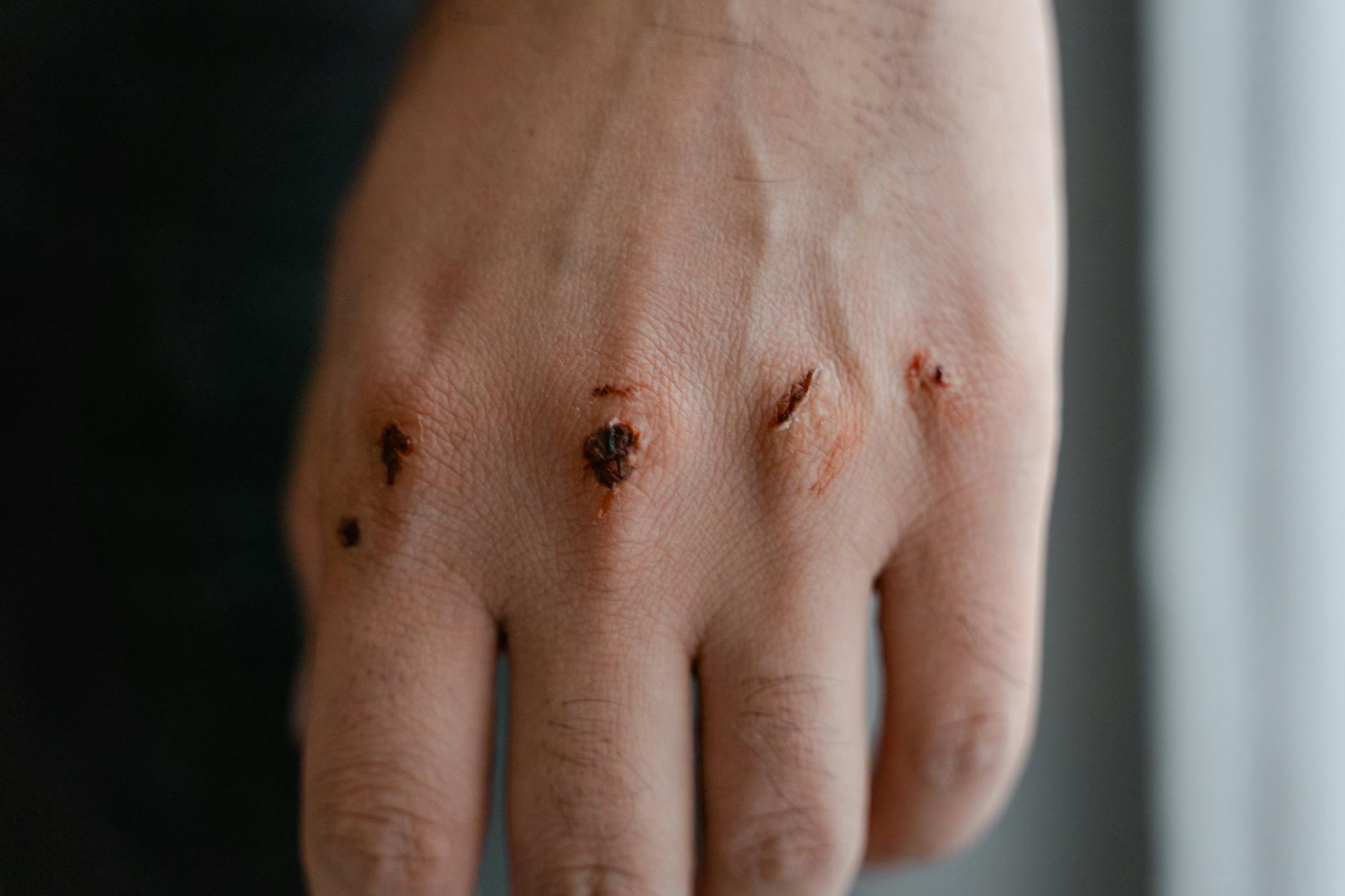
Scarring and Wound Care: Best Practices for Minimizing Scarring and Promoting Healing
Whether it’s from a surgery, an accident, or a simple cut, dealing with a wound can be a stressful experience. Beyond the immediate pain and discomfort, the prospect of scarring often looms large. But, understanding the process of wound healing and adopting the right strategies can significantly impact the final appearance of a scar. This article delves into best practices for scar prevention and wound care, helping you achieve The Best possible results and minimize the lasting effects of any injury.
The journey from a fresh wound to a healed scar is a complex biological process. Every stage plays a crucial role in determining how well your skin recovers. From initial clotting and inflammation to the eventual remodeling phase, each step requires proper care and attention. We’ll explore these stages, debunk common myths, and provide actionable tips to promote optimal healing and reduce the chances of noticeable scars. Let’s get started on the path to healthier skin!
Understanding the Wound Healing Process
Before diving into specific treatments, it’s essential to grasp the fundamentals of wound healing. This process unfolds in several overlapping phases, each with its own needs and considerations.
The Phases of Wound Healing
- Hemostasis: This is the initial stage, immediately following an injury. The body works to stop the bleeding by forming a blood clot.
- Inflammation: This phase involves the arrival of immune cells to clean the wound, remove debris, and fight infection. Increased blood flow causes redness, swelling, and warmth.
- Proliferation: New tissue begins to form during this stage. This includes the development of new blood vessels, the formation of granulation tissue (the foundation for new skin), and the migration of cells to rebuild the skin’s structure.
- Remodeling: This is the final stage, which can last for months or even years. The body remodels the newly formed collagen fibers, strengthening and reorganizing the scar tissue, eventually leading to a more mature and less prominent scar.
Factors Affecting Wound Healing
Several factors can influence the speed and effectiveness of wound healing. These include:
- Age: Younger people tend to heal faster than older adults.
- Overall Health: Conditions like diabetes, poor nutrition, and smoking can significantly impair healing.
- Wound Type and Size: Deeper or larger wounds often take longer to heal and may be more prone to scarring.
- Location of the Wound: Some areas of the body, such as joints, are more prone to scarring due to skin tension and movement.
Proper Wound Care: Immediate Steps
The first few days after an injury are critical for setting the stage for optimal healing. Correct initial wound care can make a significant difference in minimizing scarring.
First Aid Essentials
Immediately after sustaining a wound, follow these steps:
- Stop the Bleeding: Apply direct pressure to the wound using a clean cloth or bandage.
- Clean the Wound: Gently rinse the wound with lukewarm water and mild soap (avoid harsh chemicals or scrubbing).
- Remove Debris: Remove any dirt or foreign objects carefully using tweezers cleaned with alcohol.
- Apply Antibiotic Ointment (Optional): A thin layer of antibiotic ointment (like bacitracin or Neosporin) can help prevent infection. However, its use is sometimes controversial, and it is crucial to consult your doctor.
- Cover the Wound: Cover the wound with a clean bandage. Ensure the bandage is large enough for the entire wound.
Avoiding Common Mistakes
Some actions can hinder the healing process or increase scarring. Avoid:
- Picking or Scratching: This can disrupt the healing process, introduce infection, and make the scar worse.
- Sun Exposure: Sun can darken a new scar, making its appearance more prominent.
- Smoking: Smoking restricts blood flow and slows down healing.
- Harsh Cleansers: Avoid using strong soaps, hydrogen peroxide, or alcohol-based solutions, as they can damage delicate tissues.
Advanced Treatments and Scar Management
Once the initial healing phase is complete, there are several treatments and strategies you can use to minimize the appearance of scars.
Topical Treatments
Several topical treatments are available to help manage scars:
- Silicone Sheets or Gels: These are a very common option. They help to hydrate the scar, reduce redness, and potentially flatten the scar.
- Vitamin E Oil: While scientific evidence is mixed, some people find vitamin E oil helpful for improving the appearance of scars. Always test on a small area first to check for allergic reactions.
- Onion Extract Creams: These creams are believed to have some anti-inflammatory properties and can help with scar appearance. However, the evidence is not overly compelling.
Medical Procedures
For more severe scars, medical procedures may be considered:
- Corticosteroid Injections: These injections can help reduce the size and prominence of raised scars, such as keloids and hypertrophic scars.
- Laser Therapy: Various lasers can be used to improve the texture, color, and overall appearance of scars.
- Surgical Scar Revision: In some cases, a surgeon can remove the scar and re-close the wound for improved cosmetic results. This is something that must be discussed in detail with the physician.
Preventing Scarring: A Proactive Approach
One of the best ways to combat scarring is to take proactive measures, minimizing the risk from the beginning.
Protective Measures
- Choose the Right Surgeon: When undergoing surgery, selecting a skilled and experienced surgeon is crucial for preventing excessive scarring.
- Follow Post-Operative Instructions: Carefully adhere to your surgeon’s instructions, especially regarding wound care and activity restrictions.
- Protect the Wound: Keep the wound protected from sun exposure by using clothing or sunblock with a high SPF once the wound is closed.
- Avoid Tension: Avoid activities that put excessive tension on the wound site, especially during the early stages of healing.
Lifestyle Considerations
- Nutrition: Eating a healthy diet rich in vitamins and minerals is essential for optimal wound healing.
- Hydration: Stay adequately hydrated to promote cell function and healing.
- Manage Underlying Conditions: Keep any underlying medical conditions, such as diabetes, under strict control to improve healing outcomes.
Conclusion: Embrace the Healing Journey
Minimizing scarring is a journey, not a destination. By understanding the wound healing process, following proper care protocols, and exploring available treatment options, you can significantly improve the appearance of scars and boost your confidence. Remember to be patient, consistent, and proactive throughout the healing process. If you have concerns, don’t hesitate to consult a doctor or a dermatologist for professional guidance.
Ready to take the next step towards healthier skin? Schedule a consultation with your doctor about wound care and scar management. Start your journey today! Implement these tips and track your progress. Over time, you’ll be amazed at your progress!
FAQ: Common Questions About Scarring and Wound Care
What is the best way to prevent scars?
The best way to prevent scars is to practice proper wound care from the initial injury, follow your healthcare provider’s instructions, and protect the healing wound from sun exposure.
When should I start using scar treatment products?
You can usually start using scar treatment products like silicone sheets or gels once the wound has closed and the scab has fallen off. Always follow the product’s instructions.
How long does it take for a scar to fade?
Scar fading varies depending on the type of scar and individual factors. Some scars may fade within a few months, while others may take a year or more to fully mature. Some scars may never fully disappear.
Can scars be completely removed?
While complete scar removal is often not possible, a variety of treatments can significantly improve the appearance of scars. Surgical revision, laser therapy, and other treatments offered by dermatologists offer varying levels of improvement. The final outcome varies on individual factors.
When should I see a doctor about a wound or scar?
See a doctor if you notice signs of infection (increased pain, redness, swelling, pus), your wound isn’t healing, or if you are concerned about the appearance of a scar after healing. Also, seek medical advice for deep wounds or injuries with poor healing potential.