
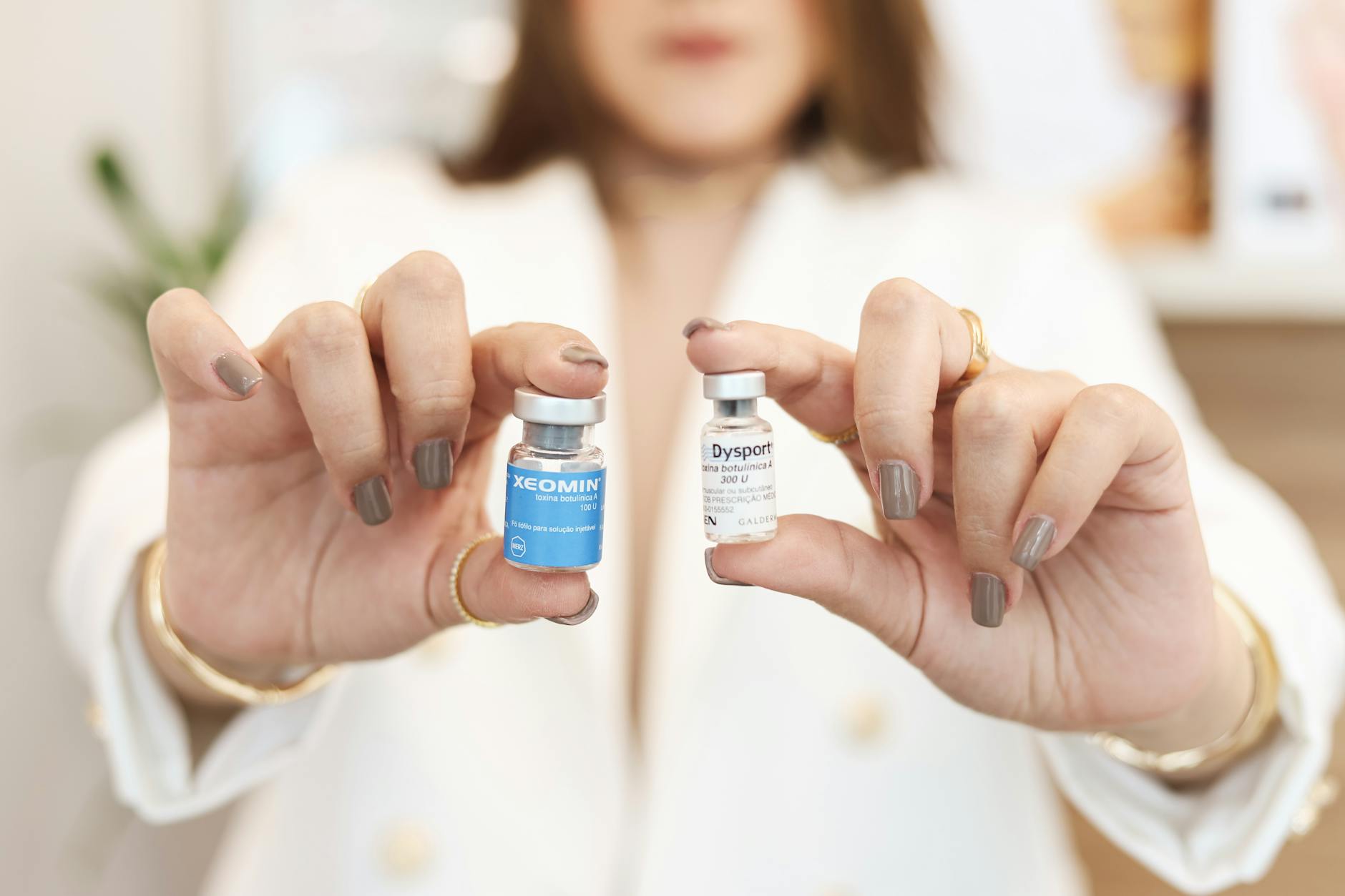
The Best Botox Alternatives Reviewed: Natural and Over-the-Counter Options
Do fine lines and wrinkles have you feeling less than confident? You’re not alone. As we age, the battle against wrinkles becomes a common concern. While Botox has long been the gold standard for reducing wrinkles, not everyone is ready or willing to undergo injections. Thankfully, the beauty industry has responded with a plethora of alternatives, ranging from natural remedies to over-the-counter creams, all promising a smoother, more youthful complexion. But with so many options available, how do you choose the right ones for you? This article delves into the best Botox alternatives, exploring their benefits, drawbacks, and how they can help you achieve your anti-aging goals.
This comprehensive guide will explore the most popular natural and over-the-counter options, providing you with the information you need to make informed decisions about your skincare routine. We’ll examine products and treatments designed to target wrinkles, improve skin texture, and promote a radiant glow. From the effectiveness of certain ingredients to the practicality of at-home treatments, we’ll help you navigate the world of anti-aging skincare and <a href="https://www.leasist.info/find-the-perfect-pout-your-guide-to-choosing-the-right-lip-filler-practitioner/" title="Find the Perfect Pout: Your Guide to Choosing the Right Lip Filler Practitioner”>Find the best solutions for your unique needs and skin type.
Whether you’re looking for a preventative approach or seeking to address existing signs of aging, read on to discover the best Botox alternatives available and learn how you can achieve a more youthful appearance without injections.
1. Over-the-Counter Creams and Serums for Wrinkle Reduction
The beauty aisle is filled with creams and serums promising to diminish wrinkles. Understanding the key ingredients and how they work is crucial. Let’s delve into some of the most effective over-the-counter options.
Retinoids: The Gold Standard
Retinoids, derived from vitamin A, are perhaps the most well-researched ingredient for anti-aging. They work by increasing cell turnover, stimulating collagen production, and reducing the appearance of wrinkles and fine lines. Retinol is a commonly available retinoid, while stronger formulations like tretinoin are available by prescription.
- Benefits: Proven to reduce wrinkles, improve skin texture, and even skin tone.
- Drawbacks: Can cause irritation, dryness, and sun sensitivity, so sunscreen is essential. Start with a low concentration and gradually increase as tolerated.
Peptides: Building Blocks of Youthful Skin
Peptides are short chains of amino acids that can signal the skin to produce more collagen, leading to a firmer, more youthful appearance. They are often found in serums and creams that target wrinkles.
- Benefits: Generally well-tolerated, can help build collagen production and improve skin’s elasticity.
- Drawbacks: Results may take longer to appear compared to retinoids, consistency is key.
Hyaluronic Acid: The Hydration Hero
Hyaluronic acid is a humectant that attracts and holds moisture, making it excellent for hydrating the skin and plumping fine lines. While it may not directly reduce wrinkles, it can make them appear less noticeable.
- Benefits: Provides immediate hydration, plumps the skin, and improves overall skin texture.
- Drawbacks: May need a moisturizing cream layered on top to seal in the moisture.
2. Natural Alternatives: Embracing the Power of Nature
For those seeking a more natural approach to anti-aging, several options offer promising results. These alternatives often leverage the power of plants and other natural substances.
Antioxidant-Rich Oils and Extracts
Antioxidants fight free radicals that contribute to aging. Several oils and extracts are rich in antioxidants and can be incorporated into your skincare routine.
- Rosehip oil: Rich in vitamin C and antioxidants, can help reduce the appearance of wrinkles and scars.
- Green tea extract: Contains potent antioxidants and can help protect the skin from damage.
- Pomegranate seed oil: Known for its antioxidant properties and ability to improve skin elasticity.
Facial Massage and Exercise
Regular facial massage can stimulate circulation and help to relax facial muscles, which may reduce the appearance of wrinkles caused by repetitive facial expressions.
- Utilize gentle circular motions with your fingers.
- Facial exercises aim to strengthen the muscles, potentially reducing lines.
Supplements
Certain supplements can support skin health from within. Consult your doctor before starting any new supplement regimen.
- Collagen supplements: May help improve skin elasticity and reduce wrinkle depth.
- Vitamin C: Essential nutrient for collagen production and acts as an antioxidant.
- Omega-3 fatty acids: Possess anti-inflammatory properties and support skin health.
3. Lifestyle Modifications for a Youthful Glow
Skincare is crucial, but lifestyle choices significantly impact skin aging. Taking care of your overall health will contribute greatly to a youthful appearance.
Sun Protection: Your Most Important Defense
Sun damage is a primary contributor to wrinkles. Consistent use of sunscreen (SPF 30 or higher) is non-negotiable.
- Apply sunscreen daily, even on cloudy days.
- Reapply every two hours, especially if outdoors.
Hydration and Diet
Drinking plenty of water keeps your skin hydrated from the inside out. A balanced diet rich in fruits, vegetables, and lean protein provides the nutrients your skin needs.
- Limit processed foods, sugar, and alcohol.
- Focus on antioxidant-rich foods.
Sleep and Stress Management
Sleep deprivation and stress can accelerate aging. Aim for 7-9 hours of quality sleep per night and practice stress-reducing techniques like meditation or yoga.
4. Professional Treatments (Without Botox)
You can also consider professional treatments that don’t involve Botox, which can offer significant results with limited downtime.
Chemical Peels
Chemical peels exfoliate the skin, reducing wrinkles and improving texture. The depth of the peel can be customized.
- Superficial peels: Less downtime, effective for mild wrinkles and uneven skin tone.
- Medium peels: More intense, can address deeper wrinkles but require longer recovery.
Microneedling
Microneedling uses tiny needles to create micro-injuries in the skin, which stimulates collagen production. This can help reduce wrinkles and improve skin texture.
Laser Treatments
Various laser treatments can target wrinkles and stimulate collagen. Treatments vary in intensity and downtime. Consult with a dermatologist to determine the right option.
5. Creating Your Personalized Anti-Aging Routine
The best approach to fighting wrinkles is creating a personalized skincare routine that suits your skin type, concerns, and lifestyle.
Assess Your Skin Type and Concerns
Determine your skin type (oily, dry, combination, sensitive) and identify your specific concerns (fine lines, wrinkles, uneven skin tone, etc.).
Patch Test New Products
Always patch-test new products on a small area of skin before applying them to your entire face to check for reactions.
Consistency is Key
Be patient and consistent with your routine. Results often take weeks or months to appear. The best Botox alternative is consistently following a routine.
Conclusion
Choosing to address wrinkles is a personal journey. From over-the-counter creams and natural remedies to professional treatments, a variety of effective Botox alternatives exist. The key is in understanding your skin type, identifying your concerns, and consistently following a skincare regimen that meets your needs. By combining effective products with healthy lifestyle choices, you can achieve a more youthful, radiant complexion and enjoy a confident, wrinkle-free appearance.
Ready to start your journey towards smoother skin? Consult with a dermatologist or skincare specialist to develop a personalized plan that’s right for you. Start incorporating these tips into your routine today, and watch your skin transform!
FAQ: Frequently Asked Questions
1. What is the best anti-aging ingredient?
There’s no single “best” ingredient, as results vary. However, retinoids are highly effective, though they can cause irritation, and peptides are often well-tolerated. It often depends on your skin type and specific concerns.
2. Can natural alternatives really work?
Yes, many natural alternatives can effectively reduce wrinkles. Oils like rosehip and antioxidants like green tea can provide benefits. However, results might take longer to appear. Consistency and good lifestyle choices matter.
3. How Long does it take to see results from wrinkle creams?
Results depend on many factors. Some creams may provide instant results, such as temporarily plumping up the skin, but for deeper wrinkles, expect a few weeks to a few months of consistent use to see significant improvement. Patience and consistency are required.
4. Are Botox alternatives safe?
Most over-the-counter Botox alternatives are generally considered safe, but always check ingredients and do patch tests. Professional treatments come with some risks. Consult with a qualified professional before starting any treatment.
5. Can I use Botox alternatives if I have sensitive skin?
Yes, but choose gentle formulas. Look for products that are fragrance-free, hypoallergenic, and formulated for sensitive skin. Start slowly and introduce one new product at a time.