
Voici le contenu HTML pour l’article de blog :
Recovering from a medical procedure can feel like a daunting journey. The focus is often squarely on the initial surgery and the immediate aftermath, but what about the long road to regaining your strength and vitality? Staying active during recovery is not just about passing the time; it’s a critical component of healing and overall well-being. Regular, appropriate exercise can help reduce pain, prevent complications, and speed up your return to your normal life. However, it’s crucial to approach this with caution and a clear understanding of what’s safe and beneficial for your specific procedure.
This guide delves into the importance of activity during recovery, offering insights into safe exercises and activities tailored to different types of procedures. We’ll explore the benefits, discuss the “do’s” and “don’ts,” and provide actionable advice to help you navigate your recovery journey with confidence. Remember, the key is to listen to your body and consult with your healthcare provider before starting any new exercise routine. Let’s get moving… safely and smart!
Ready to reclaim your health? Let’s get started!
The Benefits of Staying Active During Recovery
The benefits of incorporating movement into your post-operative routine extend far beyond just feeling better. In fact, gentle exercise and other activities can significantly improve the healing process. Staying active can:
- Boost Circulation: Improved blood flow delivers oxygen and nutrients to the surgical site, promoting tissue repair and reducing the risk of blood clots.
- Reduce Pain and Inflammation: Certain exercises can trigger the release of endorphins, your body’s natural painkillers, leading to less discomfort and inflammation.
- Prevent Muscle Loss: After surgery, inactivity can lead to muscle atrophy. Targeted exercises help maintain muscle mass and strength.
- Improve Mood: Physical activity is a proven mood booster. Exercise can combat the fatigue and potential for feelings of sadness that sometimes come with recovery.
- Enhance Range of Motion: Regular movement helps maintain or restore joint flexibility and prevents stiffness.
- Promote Better Sleep: Physical activity can improve sleep quality, which is crucial for healing and recovery.
Choosing the right activities and staying within the limits set by your surgeon or physical therapist is vital. Rushing back into things too fast can lead to setbacks. Patience and consistency are what really matter.
Safe Exercises and Activities for Knee Replacement Recovery
Knee replacement surgery requires a carefully planned recovery strategy. Your physical therapist will be the best source of guidance, but here are some safe activities to consider:
Early Stage Exercises (Days and Weeks 1-4)
- Ankle pumps: Gently flex and extend your foot, pointing your toes up then down. This improves circulation and prevents blood clots.
- Quad sets: Tighten your thigh muscles while keeping your knee straight. Hold for a few seconds.
- Heel slides: Gently slide your heel along the bed or floor, bending your knee as far as comfortable.
- Short Arc Quads: Placing a small towel roll under your knee, try to straighten your leg and hold
- Gentle walking with assistance: Using a walker or crutches, walk short distances as tolerated.
Intermediate Stage Exercises (Weeks 5-12)
- Bicycle riding: Start on a stationary bike, and gradually increase the resistance.
- Swimming: The buoyancy of water reduces stress on your knee.
- Leg lifts: Lie on your back and lift your leg, keeping it straight.
- Calf raises: Standing with support, rise up on your toes.
- Increased walking distances: Gradually increase how far you walk, aiming to use a cane or nothing at all for support.
Always listen to your body and avoid movements that cause excessive pain. Overdoing it can hinder the healing process, so prioritize your comfort.
Safe Exercises and Activities for Abdominal Hysterectomy Recovery
Recovery from an abdominal hysterectomy (or any abdominal surgery) demands a cautious approach. Focus on gentle, core-strengthening exercises to re-establish stability following surgery.
Early Stage Exercises (Days and Weeks 1-4)
- Deep breathing exercises: Practice diaphragmatic breathing to promote relaxation and reduce pain.
- Gentle walking: Start with short walks around the house and gradually increase the distance.
- Pelvic tilts: Lie on your back and gently tilt your pelvis, flattening your lower back against the floor.
- Kegel exercises: Strengthen your pelvic floor muscles.
Intermediate Stage Exercises (Weeks 5-8)
- Light stretching: Gentle stretches for your back, hips, and legs.
- Swimming: Avoid heavy lifting or any high impact activities
- Posture correction: Maintaining good posture while sitting and standing.
- Light core exercises: Focus on exercises involving stability, rather than strong muscle contraction.
Important precautions include: avoiding heavy lifting; avoiding twisting motions of the torso, and following all medical guidelines provided by your doctor.
The Importance of Professional Guidance and Support
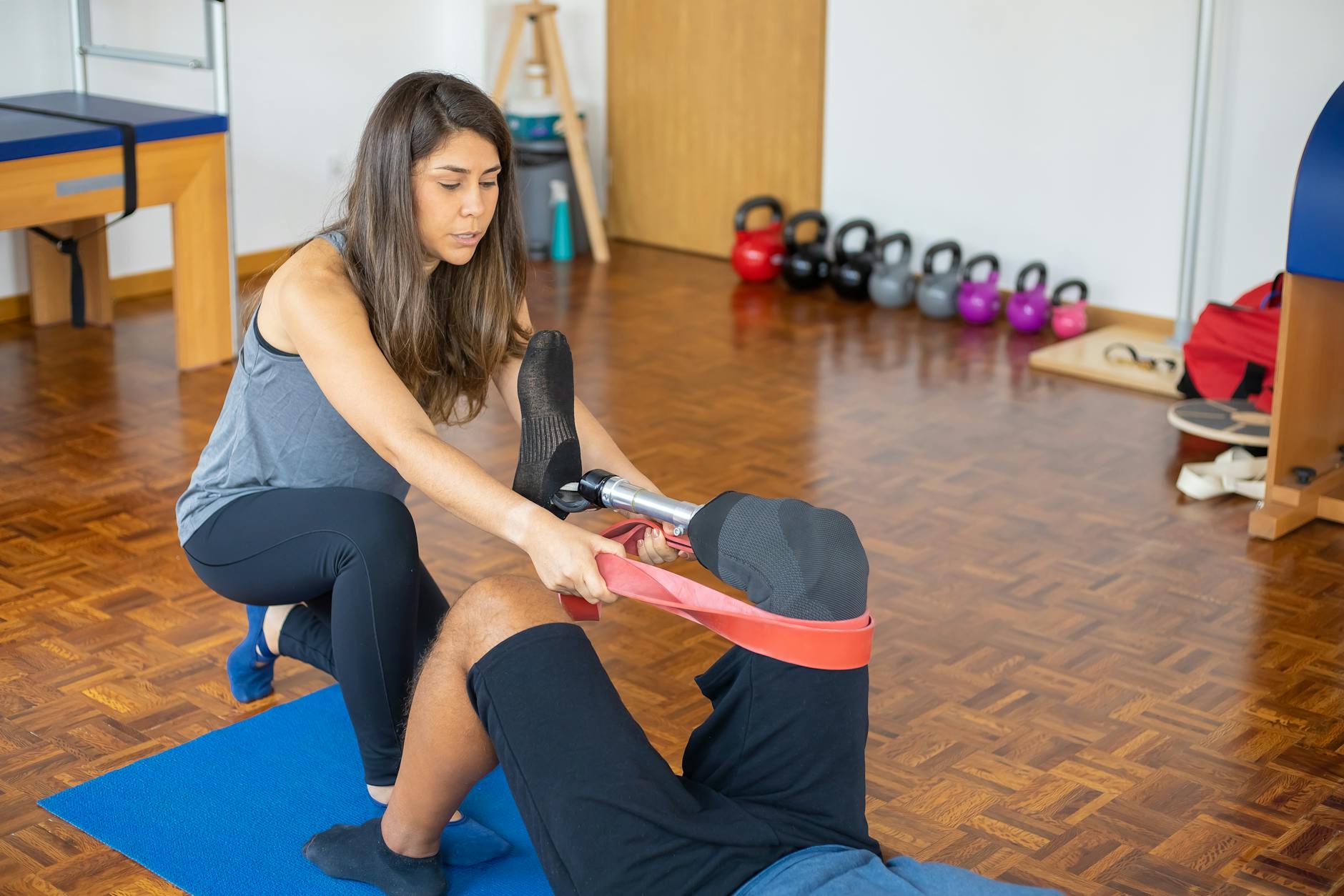
While this guide provides general advice, the most important step in staying active during recovery is to seek professional guidance. A physical therapist, surgeon or healthcare professional can:
- Assess your specific needs: They can tailor an exercise plan based on your individual condition and the type of surgery you had.
- Monitor your progress: Regular check-ups with your therapist allow them to adjust your program as you heal.
- Teach correct form: They will show you how to perform exercises safely and effectively, minimizing the risk of injury.
- Address your concerns: They can address all your questions and concerns, providing the reassurance you need throughout your recovery.
Don’t hesitate to reach out to your healthcare provider. Having an experienced healthcare professional at your side ensures a smoother, and faster, recovery.
Listen to Your Body and Prioritize Rest
Ultimately, the key to successful recovery lies in finding a balance between activity and rest. Your body will give you signals. Pay close attention to them.
Here’s what to keep in mind:
- Pain is a warning sign: If you feel pain during an exercise, stop immediately. Rest and consult with your doctor or physical therapist.
- Monitor your energy levels: Fatigue is a common symptom of recovery. Don’t overdo it.
- Get enough rest: Adequate sleep allows your body to heal and recover.
- Stay hydrated and eat nutritious foods: These are essential for healing and energy.
- Be patient: Recovery is a process. Celebrate your progress and don’t get discouraged by setbacks.
By following these guidelines and listening to your body, you can safely and effectively incorporate exercise into your recovery routine, accelerating your return to a healthy and active life.
Conclusion: Take Charge of Your Recovery
Staying active during recovery is an empowering step towards regaining your health and wellness. By understanding the benefits, choosing the right activities, and seeking professional guidance, you can successfully navigate your recovery journey and experience a faster, more fulfilling return to your normal life. Remember that every small step counts. Don’t be afraid to embrace the process and celebrate your victories along the way. Your health is worth the effort.
What are your biggest challenges during recovery? Share your experiences and questions in the comments below!
FAQ: Frequently Asked Questions
1. When can I start exercising after my surgery?
This varies depending on the procedure and your individual situation. Always consult with your doctor or physical therapist to determine the appropriate timing.
2. What should I do if I experience pain during exercise?
Stop the exercise immediately and rest. If the pain persists, contact your doctor or physical therapist.
3. How much exercise should I do each day?
Start slowly and gradually increase the duration and intensity of your exercises as your body allows. Again, listen to your body and follow the instructions of your healthcare provider.
4. Is it safe to lift weights during recovery?
Lifting weights should be avoided or limited during the early stages of recovery following many surgeries. Consult your doctor or physical therapist to determine when it is safe to lift weights and what exercises are appropriate.
5. Can I exercise at home?
Many recovery exercises can be done at home. Your doctor or physical therapist can provide you with a personalized exercise plan and guidance.