
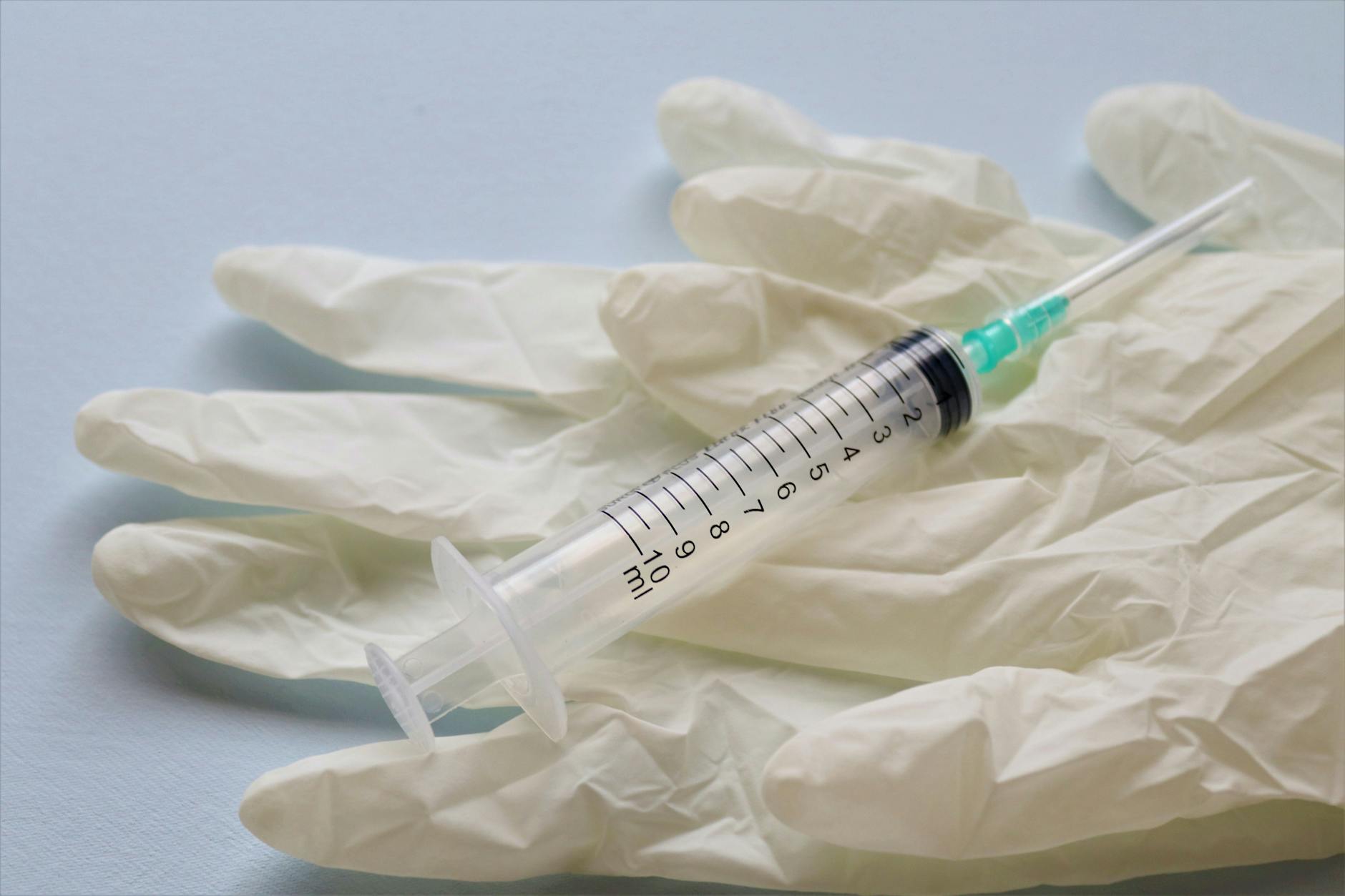
Beyond the Scalpel: Exploring Non-Invasive Alternatives and Their Safety Profiles
For centuries, the scalpel has been the cornerstone of medical intervention. From life-saving surgeries to cosmetic enhancements, invasive procedures have held the reins of change. But times are changing, and a revolution is brewing. The rise of non-invasive alternatives is transforming the landscape of medicine and aesthetics, offering patients new ways to address their health and cosmetic concerns without the incisions, downtime, and risks associated with surgery. This shift is not just about convenience; it signifies a move toward gentler, often more accessible, and sometimes more effective solutions.
This article delves into the exciting world of non-invasive procedures, exploring the diverse range of treatments available, their science, and most importantly, their safety profiles. We’ll uncover how these advanced technologies are reshaping the future of healthcare, offering innovative solutions for a wide array of conditions and desires. From wrinkle reduction to fat loss, the possibilities are expanding rapidly, empowering individuals to take control of their well-being in new and exciting ways. Prepare to discover the benefits and considerations of these revolutionary approaches!
I. Understanding the Shift: Why Non-Invasive Procedures are Gaining Popularity
The increasing popularity of non-invasive procedures is driven by a confluence of factors. The main driving force has been patients seeking less downtime and a quicker return to their daily routines. Unlike traditional surgery, many non-invasive treatments require minimal recovery time, allowing individuals to resume their activities almost immediately. Furthermore, advances in technology have led to safer and more effective treatments with significantly reduced risk of complications.
Another major reason behind the trend is the cost-effectiveness. In many cases, non-invasive procedures are significantly less expensive than their surgical counterparts. The convenience and affordability of non-invasive treatments also contribute to their rising popularity. No longer do patients need to deal with the stress and inconvenience of hospital stays. The evolution of treatment options has also led to options catering to a wider demographic. The convenience of these options mean that patients from various walks of life can access them.
The Advantages of Opting for Non-Invasive Methods
- Minimal Incisions: Reducing the risk of scarring and other surgical complications.
- Faster Recovery: Less downtime means a quicker return to daily life.
- Reduced Risks: Lower risk of infection, bleeding, and other complications associated with surgery.
- Convenience: Often performed in-office, requiring little to no preparation.
- Cost-Effectiveness: Usually a more affordable alternative to surgical methods.
II. Skin Rejuvenation: Unveiling the Power of Non-Invasive Anti-Aging
The demand for youthful, radiant skin has fueled significant innovation in the field of non-invasive skin rejuvenation. Several technologies offer effective solutions for wrinkles, fine lines, age spots, and uneven skin tone without resorting to surgery. These methods harness the power of light, sound, and radiofrequency to stimulate collagen production and improve the overall appearance of the skin.
Common Non-Invasive Treatments
- Laser Resurfacing: Utilizes laser energy to remove damaged skin cells and stimulate collagen. Various types of lasers are available, depending on the desired outcome, like fractional lasers and ablative lasers.
- Radiofrequency (RF) Treatments: Delivers radiofrequency energy to heat the dermis, promoting collagen production and skin tightening.
- Microneedling: Creates tiny punctures in the skin to stimulate the body’s natural healing process and collagen production. Often combined with radiofrequency for enhanced results.
- Ultrasound Therapy: Uses focused ultrasound energy to tighten skin at various depths.
These procedures usually carry a low-risk profile but carry common side effects. Mild redness, swelling, and minor discomfort are to be expected in most cases. Proper aftercare, as instructed by your healthcare provider, is crucial to achieving optimal results and minimizing any potential complications. Choosing a qualified and experienced practitioner is critical for ensuring both safety and positive outcomes.
III. Body Contouring: Sculpting Your Silhouette Without Surgery
Body contouring is another area where non-invasive procedures have made significant strides. For individuals looking to address stubborn areas of fat, reduce cellulite, or tighten loose skin, several effective and safe methods are now available. These treatments harness various energy sources to target specific tissues, leading to noticeable improvements in body shape and skin texture.
Popular Non-Invasive Body Contouring Options
- Cryolipolysis (CoolSculpting): Freezes fat cells, which are then naturally eliminated by the body.
- Radiofrequency Lipolysis: Uses radiofrequency energy to heat and destroy fat cells.
- Ultrasound Cavitation: Utilizes ultrasound waves to break down fat cells.
- Laser Lipolysis: Employs laser energy to target and reduce fat cells.
The safety profiles of these treatments are generally favorable, with common side effects, including temporary redness, swelling, and bruising. Most of these treatments entail little to no downtime. Consulting with a board-certified dermatologist or qualified healthcare professional is essential when determining the best suited method. Discussing your expectations and potential risks will help ensure a safe and satisfying experience.
IV. Other Applications: Beyond Aesthetics and into Medical Treatments
The capabilities of non-invasive procedures extend far beyond cosmetic enhancements. These technologies are also playing an increasingly vital role in medical treatments, offering less invasive and often more effective alternatives to traditional methods. From pain management to treating specific medical conditions, non-invasive approaches are transforming healthcare practices.
Examples of Non-Invasive Medical Applications
- Pain Management: Techniques like radiofrequency ablation are used for chronic pain relief.
- Cancer Treatment: High-intensity focused ultrasound (HIFU) therapy is used to treat certain types of cancer.
- Vascular Treatments: Minimally invasive procedures for varicose vein treatment.
- Physical Therapy: Techniques utilizing ultrasound and electrical stimulation for treating musculoskeletal issues.
The safety profiles in medical applications are generally managed by experienced practitioners. Close monitoring and clinical assessment are crucial. Patients will require a comprehensive evaluation to ascertain suitability. While generally safe, potential benefits and risks need to be discussed thoroughly with a qualified healthcare provider. They will be best suited to assess the needs and condition of each patient.
V. Safety and Considerations: Choosing the Right Practitioner and Understanding Risks
While non-invasive procedures are generally safer than surgery, it’s crucial to understand the importance of choosing a qualified and experienced practitioner. Always ensure the provider is properly licensed, board-certified (where applicable), and has a proven track record. Thorough research, including reading reviews and testimonials, can help you make an informed decision.
Key Considerations for Safety
- Consultation: A detailed consultation is essential to discuss your goals, medical history, and potential risks.
- Provider Expertise: Ensure the practitioner is experienced and trained in the specific procedure.
- Technology and Equipment: Verify that the clinic uses high-quality, FDA-approved devices.
- Realistic Expectations: Understand that results may vary, and multiple sessions might be needed.
- Aftercare Instructions: Follow all post-treatment instructions to promote healing and minimize complications.
Although the risks are generally minimal, every procedure carries a possibility of side effects. Discuss all potential risks and side effects with your practitioner during the consultation. Open communication will enhance your experience, helping you make informed decisions, and ensure the best possible outcome.
Conclusion: The Future is Here – Embrace Non-Invasive Solutions
Non-invasive procedures represent a significant evolution in healthcare and aesthetics. Offering an array of benefits compared to traditional surgical methods, they provide an attractive alternative for individuals looking to enhance their appearance or address health concerns. The future is bright, and the ongoing advancements in non-invasive technologies will continue to expand the possibilities, offering even safer, more effective, and more accessible solutions.
Are you ready to explore the possibilities of non-invasive treatments? Schedule a consultation with a qualified practitioner today and discover how they can help you achieve your goals. Your journey towards a healthier, more confident you starts here!
FAQ: Frequently Asked Questions
Is it safe to get non-invasive procedures?
Yes, non-invasive procedures are generally safe. However, the level of safety can vary depending on the procedure and practitioner. Always choose a qualified and experienced provider and discuss all potential risks during the consultation.
What are the common side effects of non-invasive procedures?
Common side effects often include temporary redness, swelling, bruising, and minor discomfort. The specific side effects depend on the type of procedure. Your practitioner should fully explain the risks prior to your treatment.
How long does it take to see results from non-invasive procedures?
The time it takes to see results varies depending on the specific procedure and individual factors. Some treatments offer immediate results, while others may require several weeks or months. Your practitioner can give you a more accurate timeline based on your treatment plan.