
Here’s the requested HTML content.
Are you considering liposuction? You’re not alone! This popular cosmetic procedure has evolved significantly over the years, offering more effective and refined results than ever before. From its early days to the cutting-edge techniques available today, the journey of liposuction is a fascinating story of innovation and patient-centric care. This guide will explore the evolution of liposuction, focusing on the key trends and innovations shaping the future of fat removal.
Gone are the days of brutal, invasive procedures. Modern liposuction prioritizes precision, safety, and aesthetically pleasing outcomes. We’ll delve into the advancements in technology, the changes in surgical approaches, and the factors that contribute to the remarkable transformations witnessed in patients seeking a slimmer and more sculpted physique. Get ready to discover the latest in fat removal.
This article will provide you with a comprehensive understanding of liposuction’s history, the different techniques available, and what you can expect from the procedure. Whether you’re a seasoned expert or just curious, this guide is your go-to resource for all things liposuction.
Early Days of Liposuction: A Historical Perspective
The origins of liposuction can be traced back to the early 1920s, with various attempts to remove fat. However, the first true liposuction procedure as we know it today was pioneered in the early 1970s. This initial approach, often referred to as “scoop and scrape,” involved the direct removal of fat through large incisions. This early technique, while groundbreaking, was significantly more invasive and often led to complications like bruising, unevenness, and a longer recovery period.
The early liposuction techniques were a stark contrast to the sophisticated methods used today because of the tools. Early liposuction required general anesthesia and posed more risks for the patient. Despite its limitations, these initial steps laid the foundation for the revolutionary advancements that followed. The introduction of the first suction-assisted lipoplasty machines marked a significant step forward.
The Advent of Suction-Assisted Lipoplasty (SAL)
The 1980s saw the development of suction-assisted lipoplasty (SAL). This method introduced the use of cannulas – thin, hollow tubes – connected to a vacuum device to suction out the fat. This represented a substantial improvement over the previous techniques. SAL was less invasive and allowed for better control during the fat removal process. It also reduced the trauma to surrounding tissues. The introduction of SAL marked a turning point, making liposuction a more refined and widely accepted procedure.
The Rise of Tumescent Liposuction and Its Impact
The 1990s witnessed the emergence of tumescent liposuction, a major advancement in the field. Developed by Dr. Jeffrey Klein, this technique involved injecting a large volume of dilute local anesthetic (lidocaine) and epinephrine into the targeted areas. This solution, known as tumescent fluid, had several important benefits:
- It anesthetized the area, eliminating the need for general anesthesia.
- It constricted blood vessels, reducing blood loss and bruising.
- It made the fat cells easier to remove.
Tumescent liposuction significantly improved patient safety and comfort. It also minimized bleeding and swelling, leading to faster recovery times. This technique dramatically increased the popularity of liposuction, making it more accessible to a wider range of patients.
The Evolution of Anesthesia in Liposuction
The evolution of anesthesia plays a huge part in the rise of safer procedures. Tumescent fluid has become the gold standard in liposuction, and patients no longer need to be hospitalized. Liposuction, once an invasive procedure, is now often performed with local anesthesia and light sedation. This reduces potential side effects and allows a more patient-centered approach. The advancement of anesthesia techniques continues to focus on ways to optimize patient safety and comfort.
Advanced Liposuction Techniques: Current Trends
Today, liposuction offers a variety of specialized techniques that build on the foundations laid by earlier innovations. These techniques focus on different ways to emulsify/liquify the fat before it’s removed, leading to more refined results.
Ultrasound-Assisted Liposuction (UAL)
Ultrasound-assisted liposuction (UAL) utilizes ultrasonic energy to disrupt and liquefy fat cells before suctioning. This method is particularly effective for removing fat from dense or fibrous areas, such as the back, and can also improve skin retraction. It also stimulates collagen production for a smoother outcome.
Laser-Assisted Liposuction (SmartLipo)
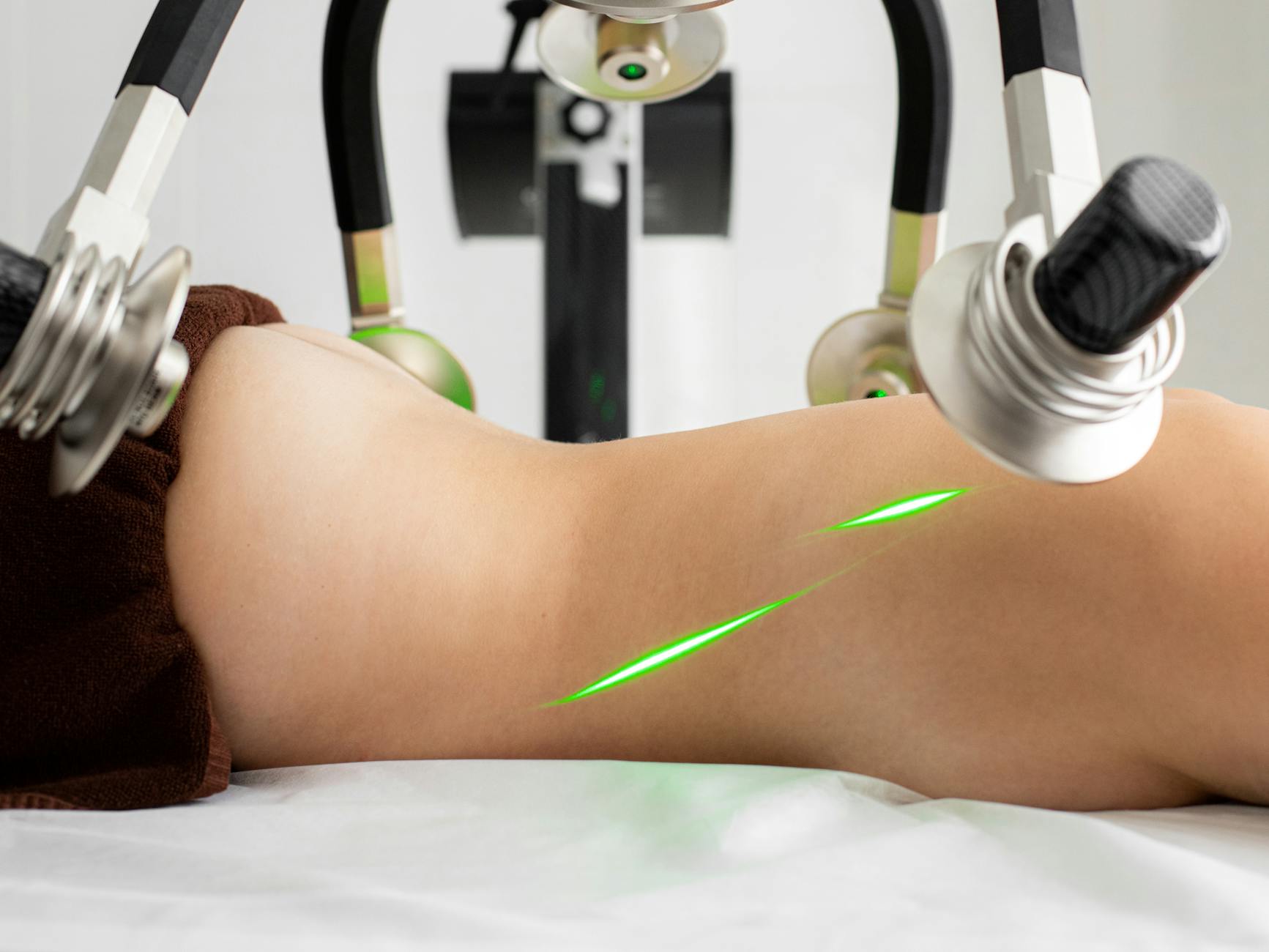
Laser-assisted liposuction (often marketed as SmartLipo) uses laser energy to melt the fat cells. The laser’s energy can also promote skin tightening. This can be especially beneficial for patients who require skin retraction. The introduction of laser technology created a leap forward in achieving more streamlined body contours.
Power-Assisted Liposuction (PAL)
Power-assisted liposuction (PAL) uses a power-driven cannula that moves back and forth. This method offers greater precision and can make the procedure easier on both the patient and the surgeon. This method can also make the fat easier to extract, potentially speeding up the procedure.
Liposuction Outcomes: What to Expect and Maintain
Liposuction is not a weight-loss solution, but a Body Contouring procedure. It can remove stubborn fat deposits that resist Diet and exercise. Results depend on the technique used, the skill of the surgeon, and the patient’s individual factors. Good candidates are those who are at or near their ideal weight, have good skin elasticity, and have localized fat deposits.
After liposuction, patients experience varying degrees of swelling, bruising, and discomfort. Recovery times depend on the extent of the procedure. Patients typically benefit from wearing compression garments, following post-operative instructions carefully, and maintaining a healthy lifestyle. Proper care will help achieve optimal, long-lasting results. Healthy nutrition and regular exercise are essential for maintaining the results of liposuction.
The Importance of a Healthy Lifestyle
In order to best maintain the results of liposuction, it is vital that the patient adopts a healthy lifestyle after surgery. This includes eating a balanced diet, exercising frequently, and getting plenty of rest. Avoiding smoking and excessive alcohol consumption will greatly aid in the healing process and contribute positively to long-term results. The ultimate goal is to maintain the benefits of the liposuction and achieve a healthier and more enjoyable quality of life.
Conclusion: The Future of Liposuction
Liposuction has come a long way, constantly evolving to deliver safer, more effective, and aesthetically pleasing results. The future of liposuction is bright. Expect further advancements in technologies, techniques, and patient care. New innovations will improve outcomes and continue to focus on creating natural and long-lasting body transformations. Embrace the possibilities of modern liposuction and take the crucial step towards a more confident and sculpted you. Seek consultation with a qualified board-certified surgeon to discuss your goals and determine the best approach for you!
Ready to transform your body? Contact our office today for a consultation and embrace the future of fat removal!
FAQ: Frequently Asked Questions
What is the best age to undergo liposuction?
There is no specific age limit for liposuction. However, the best candidates are generally in good overall health and have realistic expectations about the procedure. The procedure is ideally suited for those with good skin elasticity and localized fat deposits.
How long is the recovery period after liposuction?
Recovery times vary. It depends on factors such as the technique used, the amount of fat removed, and individual patient healing rates. Most patients can return to work within a week or two. Strenuous activities should be avoided for several weeks.
Are the results of liposuction permanent?
The fat cells removed during liposuction are permanently gone. However, maintaining a healthy lifestyle and practicing balanced nutrition and exercise is crucial to maintaining the results. The body’s remaining fat cells can still increase in size if the patient gains weight.
Are there any risks associated with liposuction?
As with all surgical procedures, liposuction carries potential risks. This can include bruising, swelling, infection, and skin irregularities. Choosing a qualified and experienced surgeon and following post-operative instructions carefully minimizes such risks.
How do I choose the right liposuction technique for me?
The best liposuction technique for each individual depends on their goals, physical characteristics, and the areas to be treated. A consultation with a qualified board-certified plastic surgeon is vital for a personalized assessment.