
Voici le contenu HTML de l’article de blog sur “Diet and Exercise After Liposuction: Maintaining Your New Body”:
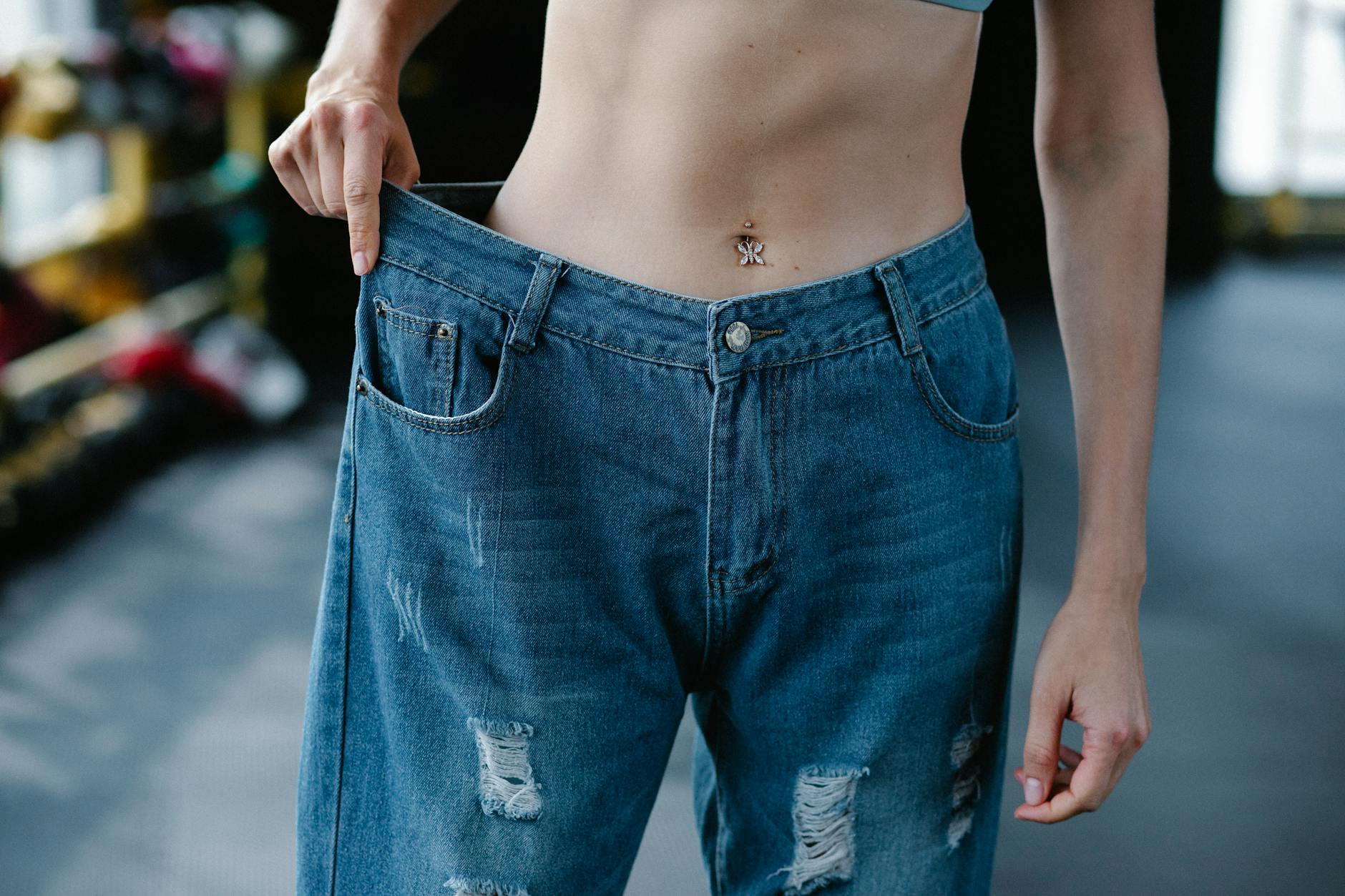
So, you’ve taken the plunge and undergone liposuction! Congratulations! You’ve made a significant investment in yourself and your confidence. Now that the swelling has subsided and you’re starting to see the amazing results, you’re probably wondering what comes next. The journey doesn’t end with surgery; it’s a commitment to a healthier, happier you. This is where diet and exercise play a crucial role. This article will guide you through the essential steps and lifestyle changes needed to maintain your new body and enjoy lasting results.
Maintaining the results of your liposuction requires a proactive approach. It’s not about quick fixes; it’s about building sustainable habits that support your overall health and well-being. Think of it as a collaboration – you, your body, and the incredible results of your procedure. Without consistent effort in the right direction, the fat cells that weren’t removed can grow in size, potentially negating some of the positive effects of your surgery. Let’s delve into how you can make this commitment a success.
This article will provide you with practical advice on nutrition, exercise, and lifestyle adjustments to help you achieve your goals and cherish your new physique for years to come. We’ll cover everything from The Best foods to eat to the most effective workouts and how to stay motivated. Let’s get started!
Understanding the Importance of Diet After Liposuction
Your diet is the cornerstone of maintaining your liposuction results. Think of your body as a carefully sculpted masterpiece; your diet is the palette you use to keep it that way. After liposuction, your body is particularly receptive to dietary changes, making this a pivotal time to establish healthy eating routines.
Prioritizing Whole Foods
Focus on a diet rich in whole, unprocessed foods. This means emphasizing fruits, vegetables, lean proteins, and whole grains. These foods are packed with essential nutrients, supporting overall health and helping to prevent future fat accumulation. Try to fill your plate with vibrant colors – the more colorful your food, the better!
- Fruits and Vegetables: Aim for a variety of colorful fruits and vegetables daily. They are rich in vitamins, minerals, and fiber, and they’re naturally lower in calories.
- Lean Protein: Include sources like chicken breast, fish, turkey, beans, and lentils. Protein helps build and repair tissues, keeps you feeling full, and supports muscle growth.
- Whole Grains: Opt for whole grains like brown rice, quinoa, and oats over refined grains. They provide sustained energy and fiber.
Controlling Portion Sizes and Calorie Intake
Even with healthy foods, portion control is key. Monitor your calorie intake to ensure you’re consuming fewer calories than you burn. This helps prevent weight gain and maintains your ideal body shape. Use smaller plates, measure your food, and pay attention to your body’s hunger cues.
Hydration is Key
Drink plenty of water. Water is essential for numerous bodily functions, including metabolism. It also helps you feel full, and can therefore aid in controlled eating. Staying properly hydrated can also reduce bloating, making it easier to see and enjoy your results.
Exercise Regimen for Long-Term Results
Regular exercise is a powerful ally in your quest to keep your new body toned and trim. It not only helps burn calories but also boosts your metabolism, builds muscle, and improves your overall well-being. Combining a smart diet with an effective exercise routine is essential for maximizing and maintaining the cosmetic benefits of liposuction.
Cardiovascular Exercise
Include at least 150 minutes of moderate-intensity cardio or 75 minutes of vigorous-intensity cardio per week. This could include activities to improve heart health.
- Brisk Walking: A great entry-level exercise.
- Running/Jogging: An ideal option for those seeking a more intense workout.
- Swimming: A low-impact option that’s easy on the joints.
- Cycling: Another excellent low-impact option, whether outdoors or on a stationary bike.
Strength Training
Incorporate strength training exercises at least two times per week. Building muscle mass increases your metabolism, helping you burn more calories, even at rest. Focus on exercises that target multiple muscle groups.
- Weightlifting: Use dumbbells, barbells, or weight machines.
- Bodyweight Exercises: Include exercises like squats, push-ups, planks, and lunges.
Flexibility and Stretching
Don’t neglect stretching and flexibility exercises. These help improve your flexibility and posture, and can help prevent injuries. Consider yoga, Pilates, or simply stretching daily.
Lifestyle Adjustments for a Healthy Body and Mind
Beyond diet and exercise, certain lifestyle adjustments can significantly impact your ability to maintain your liposuction results. These changes can improve your overall well-being and strengthen your commitment to a healthy lifestyle.
Managing Stress and Prioritizing Sleep
Stress and sleep are often overlooked, but they play crucial roles in weight management. Chronic stress can lead to increased cortisol levels, which can promote fat storage, especially in the abdominal area. Prioritize sleep to regulate your hormones. Aim for 7-9 hours of quality sleep per night.
Avoiding Harmful Habits
Limit or eliminate alcohol consumption. Alcohol contains empty calories and can hinder your progress. Avoid smoking, as it is detrimental to overall health and can delay the healing process.
Building a Support System
Surround yourself with a supportive network of friends, family, or a support group. Having people who understand your goals and can encourage you will dramatically increase your likelihood of success.
Monitoring and Adapting Your Plan
Maintaining your new body isn’t a one-and-done process. It’s a dynamic journey that requires consistent monitoring and adaptation. Regularly assess your results, be it by taking photos, weighing yourself, or measuring your body.
Regular Weigh-Ins and Measurements
Weigh yourself regularly, ideally once or twice a week. Track your measurements (waist, hips, thighs, arms) every few weeks to monitor for changes. This helps you identify trends and make adjustments to your diet and exercise plan as needed.
Tracking Progress and Adjusting Strategies
Keep a journal to track your progress including your diet, exercise, and how you feel. As your body changes, your metabolism and calorie needs will change. Periodically revisit your plan and modify it to reflect your current needs and goals.
Consulting with Professionals for Optimal Results
You don’t have to embark on this journey alone. Seeking professional advice can significantly enhance your outcomes.
Working with a Nutritionist or Dietitian
A nutritionist or registered dietitian can provide personalized dietary advice tailored to your specific needs and goals. They can help you create a meal plan, provide nutrition education, and monitor your progress to ensure you’re on the right track.
Consulting with a Certified Personal Trainer
A certified personal trainer can develop a customized exercise plan that aligns with your fitness level and goals. They can provide guidance on proper form, technique, and progression to maximize your results and minimize the risk of injury.
Remember: the combination of a healthy diet, consistent exercise, and a supportive lifestyle is the key to maintaining your beautiful new body and enjoying lasting results from your liposuction.
Frequently Asked Questions
Can I go back to my old eating habits after liposuction?
Returning to your old eating habits is not recommended. If you go back to unhealthy eating habits the likelihood of fat returning in the treated areas or building up in other areas is very high. Making healthier, lifelong eating choices is essential to maintaining your results.
When can I start exercising after liposuction?
You should follow your surgeon’s specific post-operative recommendations. Typically, light exercise, such as walking, can be done shortly after surgery. More strenuous exercise and strength training should be gradually reintroduced, as directed by your surgeon, and your recovery may vary.
How long will it take to see the full results of liposuction?
While you’ll notice an immediate improvement after the surgery, the final results typically become visible within a few months as swelling subsides and your skin conforms to your new shape. Consistency with proper care and diet and exercise is the key factor in the longevity of these results.
Are the results of liposuction permanent?
Liposuction permanently removes fat cells in the treated areas. However, the remaining fat cells can still increase in size if you gain weight. Therefore, maintaining a healthy lifestyle is essential to preserve your results.
Can liposuction alone guarantee weight loss?
Liposuction is primarily a body-contouring procedure and not a weight-loss treatment. While you might experience a slight decrease in weight, the primary goal is to reshape your body by removing localized fat deposits. Significant weight loss typically requires dietary changes and regular exercise.
Embrace the journey! By adopting a healthy lifestyle, you’ll not only maintain your liposuction results but also promote your overall well-being. Remember, it’s a marathon, not a sprint. Consistency and dedication will lead you to a healthier, happier you. Start now, and celebrate your success!