
Voici le contenu HTML pour l’article de blog sur les stratégies de gestion de la douleur après une procédure spécifique.
Voici le code HTML :
“`html
Recovering from any medical procedure can be challenging, and one of the biggest hurdles patients face is managing post-operative pain. Whether you’re recovering from a minor surgery or a more complex procedure, effective pain management is crucial for a smooth and comfortable recovery. In this comprehensive guide, we’ll delve into various strategies to help you navigate the pain associated with [Specific Procedure – For example: Knee Replacement Surgery], from medications to alternative therapies and self-care techniques, ensuring you’re well-equipped to manage your post-operative discomfort.
The goal isn’t just to eliminate pain entirely (though that’s the ideal), but to reduce it to a manageable level, allowing you to focus on healing and getting back to your daily activities. Pain management is a multi-faceted approach, tailored to your individual needs and the specific procedure you’ve undergone. Let’s explore practical and proven methods to help you on your recovery journey and alleviate discomfort after your [Specific Procedure].
Understanding Pain After [Specific Procedure]
Pain following [Specific Procedure] is a normal part of the healing process. The intensity and duration of the pain can vary significantly depending on several factors, including the type of procedure, the individual’s pain tolerance, and the body’s natural healing capabilities. Understanding the source of the pain is the first step in managing it effectively.
Types of Pain
After [Specific Procedure], you might experience different types of pain that require different approaches:
- Acute Pain: This is a short-term pain, usually sharp and intense, occurring immediately after the procedure. It’s often related to tissue damage and inflammation.
- Inflammatory Pain: This type appears within days after the procedure and happens due to the body reacting to the procedure itself.
- Chronic Pain: Chronic pain is pain that lasts longer than the typical healing time. Proper pain management is essential to prevent acute pain from turning into chronic pain.
Factors Influencing Pain Levels
Several factors can affect the amount of pain you experience:
- Type of Procedure: More invasive procedures often result in more significant pain.
- Individual Pain Threshold: Everyone has a different sensitivity to pain.
- Overall Health: Pre-existing medical conditions can affect pain perception.
- Age: Younger and older patients may experience different pain levels.
Medications for Pain Relief
Medications form a significant part of post-[Specific Procedure] pain management. Your doctor will likely prescribe or recommend different types of medications depending on the severity of your pain and your overall health. Always follow your doctor’s instructions carefully.
Over-the-Counter (OTC) Pain Relievers
For mild to moderate pain, your doctor might recommend OTC pain relievers:
- Acetaminophen (Tylenol): Excellent for pain relief but does not reduce inflammation. Be careful with dosage, as exceeding the recommended amount can be harmful to the liver.
- Nonsteroidal Anti-Inflammatory Drugs (NSAIDs) (Ibuprofen, Naproxen): These medications reduce both pain and inflammation. However, they can cause side effects like stomach upset and should be used with caution, particularly if you have pre-existing kidney or heart problems.
Prescription Pain Medications
For more severe pain, your doctor may prescribe stronger medications:
- Opioids (Codeine, Oxycodone, Morphine): These powerful painkillers can be highly effective but carry the risk of addiction, constipation, nausea, and respiratory depression. They are typically prescribed for a short period.
- Other Prescription Medications: Your doctor might also prescribe other medications, such as muscle relaxants or nerve pain medications, depending on the specifics of your procedure and your pain profile.
Important Considerations
It’s crucial to take medications as prescribed and communicate any side effects or concerns to your doctor. Do not adjust your dosage without consulting your healthcare provider, and discuss any allergies or existing medical conditions that might impact your pain management plan.
Alternative Therapies for Pain Management
In addition to medications, several alternative therapies can help manage pain and improve your overall well-being during recovery. These therapies often work best when integrated with other treatments.
Physical Therapy
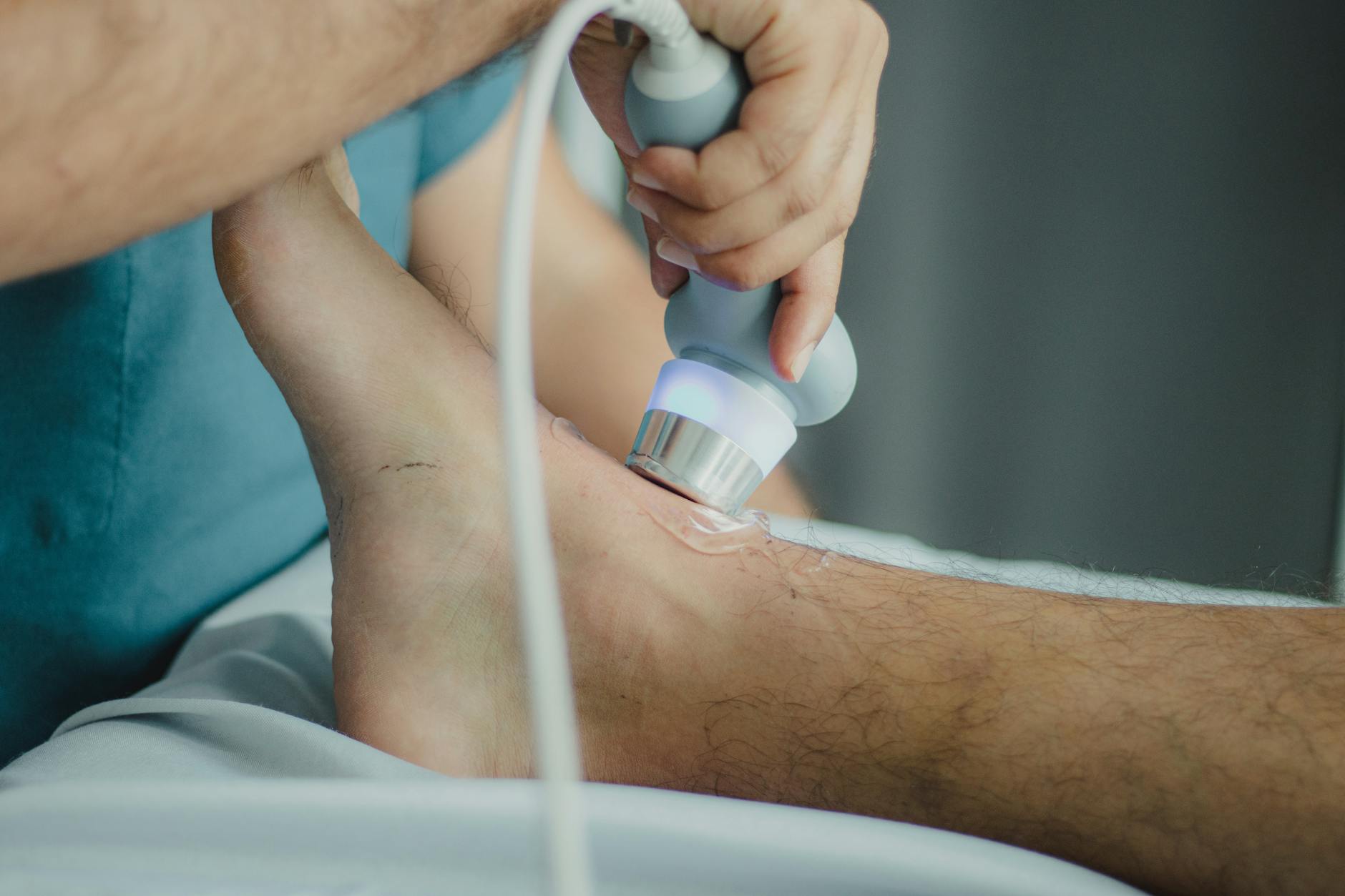
Physical therapy plays a crucial role in restoring movement, strength, and range of motion after [Specific Procedure]. A physical therapist will provide tailored exercises to help alleviate pain, reduce inflammation, and accelerate healing. Regular participation is a very smart approach.
Acupuncture
Acupuncture involves inserting thin needles into specific points on the body to stimulate the release of natural pain-relieving chemicals. Many people find acupuncture to be a helpful complementary therapy for pain relief.
Massage Therapy
Massage can reduce muscle tension, improve circulation, and promote relaxation, all of which contribute to pain relief. Be sure to consult with your doctor before starting massage therapy to ensure it is appropriate for your specific condition.
Other Therapies
Other practices like yoga and meditation can improve your well-being. Practicing mindful breathing and guided meditations can help lessen pain symptoms.
Self-Care Techniques for Pain Relief
Taking care of yourself is also vital for healing and pain management. These self-care techniques can make a big difference in both your physical and mental well-being while you recover.
Rest and Sleep
Adequate rest and high quality sleep are crucial for the body’s natural healing processes. Make sure you get enough sleep to facilitate the healing.
Proper Diet and Hydration
Eating a balanced diet rich in nutrients and staying well-hydrated support the body’s natural healing abilities. Aim for nutrient-rich foods and drink plenty of water.
Ice and Heat Therapy
Apply ice packs during the first few days after the procedure to reduce swelling and inflammation. Later, heat can help relax muscles and ease pain. Consult your doctor on the appropriate usage.
Gentle Exercise
When advised by your doctor, incorporate some light exercises to maintain some physical activity without exacerbating pain. These exercises help with circulation.
Conclusion: Your Path to Pain-Free Recovery
Recovering from [Specific Procedure] can be a journey, but remember that effective pain management is within your reach. Utilize a combination of medication, alternative therapies, and self-care techniques to ease your discomfort and speed up your recovery. Always communicate openly with your healthcare team about your pain levels and any concerns you have. By taking an active role in your post-operative care, you can pave the way for a more comfortable and successful recovery. Start today by implementing the strategies we’ve discussed, and you will soon be on your way to a pain-free life.
Remember that this is information and does not replace medical advice. Always discuss with your doctor.
Are you ready to embrace a smoother recovery? Talk to your doctor today to establish a personalized pain management plan.
Frequently Asked Questions (FAQ)
How soon after the procedure will I experience pain?
You may start feeling pain within hours after the procedure, depending on the type and complexity of the surgery, and the medication given.
How long should I expect to take pain medication?
The duration of pain medication use varies. Your doctor will provide guidance and instructions tailored to your situation.
What should I do if my pain medication isn’t working?
Contact your doctor if your prescribed pain medication is not providing sufficient relief. They can adjust your treatment plan.
Are there any exercises I can do to ease pain after the procedure?
Your doctor or physical therapist will recommend specific exercises based on the procedure you have undergone.
“`