
L’article de blog est le suivant :
In the ever-evolving world of medicine, the pursuit of safer and more effective procedures is a constant endeavor. Technological advancements are revolutionizing healthcare, leading to significant improvements in patient outcomes. One of the most impactful areas of advancement is in the realm of advanced imaging and techniques. These tools not only enhance the precision of medical interventions but also play a critical role in increasing procedure safety, minimizing risks, and ultimately, improving the overall patient experience.
From minimally invasive surgeries to complex diagnostic procedures, technology has become an indispensable ally for healthcare professionals. Sophisticated imaging modalities offer unparalleled views of the human body, facilitating better diagnoses and treatment planning. Coupled with innovative techniques, these tools allow physicians to perform procedures with greater accuracy and control, resulting in fewer complications and faster recovery times. This article delves into how these technological breakthroughs are reshaping the landscape of medical procedures, focusing specifically on their impact on safety.
Join us as we explore the crucial role of technology in enhancing procedure safety, from its diagnostic capabilities to its integration with surgical interventions. We’ll uncover how these advancements are transforming the future of healthcare and contributing to a safer, more efficient, and patient-centered medical environment.
The Evolution of Medical Imaging: A Visual Revolution
The evolution of medical imaging has been nothing short of transformative. From the basic X-rays of the past to the sophisticated modalities of today, our ability to visualize the inner workings of the human body has dramatically improved. This revolution is crucial for procedure safety as it allows physicians to make more informed decisions.
From X-rays to Advanced Modalities
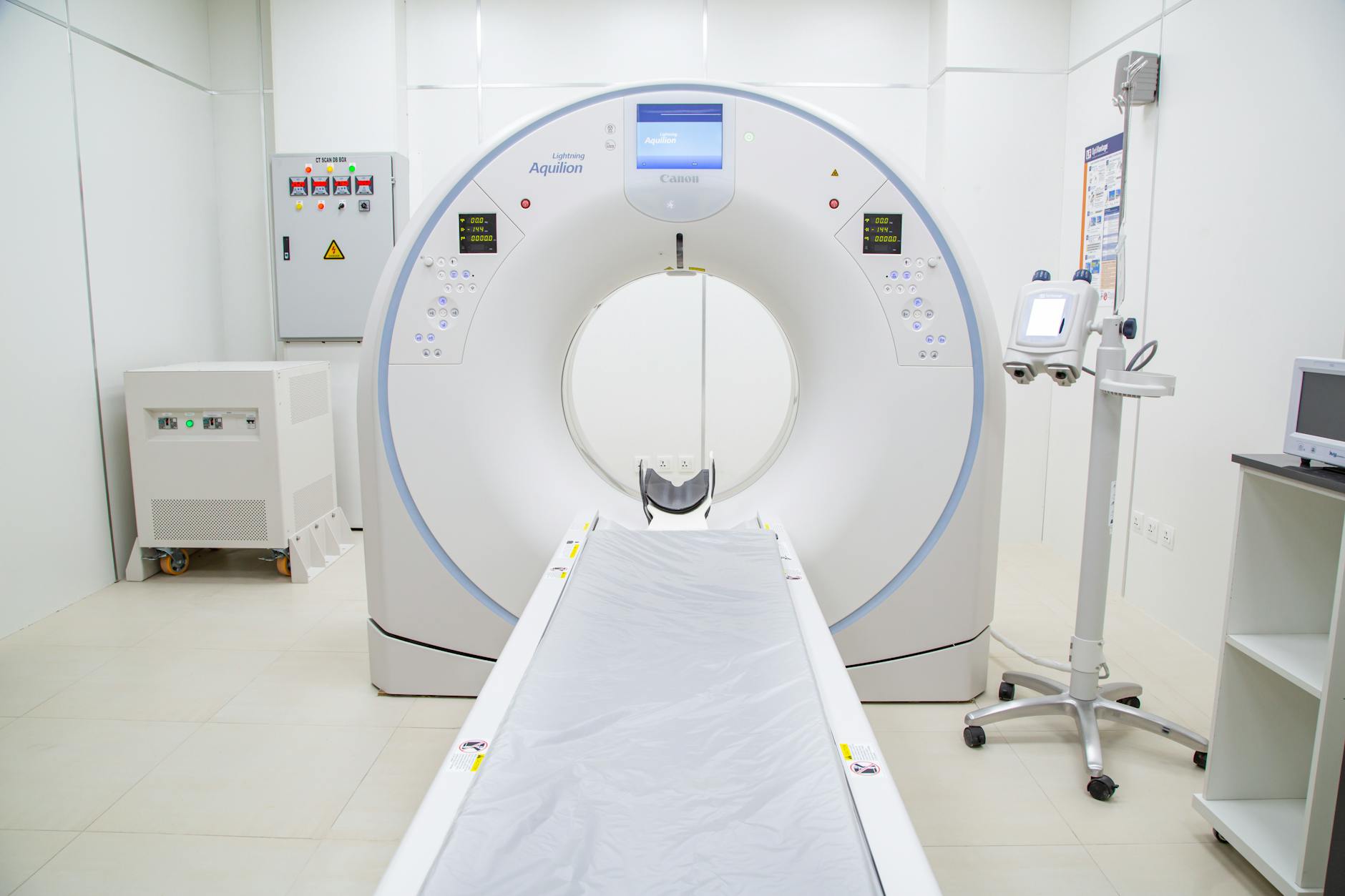
Traditional X-rays, while still valuable in specific contexts, offer a limited view. Modern imaging technologies, such as Computed Tomography (CT) scans, Magnetic Resonance Imaging (MRI), ultrasound, and positron emission tomography (PET) scans, provide detailed, three-dimensional images that help physicians to get a comprehensive view. These modalities offer distinct strengths.
- CT scans excel at visualizing bone structures and internal organs.
- MRI provides excellent soft tissue contrast, ideal for examining the brain, spinal cord, and muscles.
- Ultrasound uses sound waves to create real-time images, often employed for monitoring pregnancies and guiding biopsies.
- PET scans provide metabolic information, useful in cancer diagnosis and staging.
Real-time Visualization and Procedural Guidance
Beyond static images, many advanced imaging techniques provide real-time visualization. This is especially crucial during procedures, such as image-guided biopsies. The ability to visualize the target area dynamically allows physicians to precisely navigate instruments, reducing the risk of damaging surrounding tissues and improving the accuracy of tissue sampling. This real-time guidance is fundamental to procedure safety, enhancing precision and minimizing complications.
Minimally Invasive Procedures: Reduced Risk, Enhanced Recovery
Minimally invasive procedures represent a significant leap forward in healthcare, largely enabled by technological advancements. These procedures involve smaller incisions, leading to a host of benefits for patients.
Laparoscopy and Arthroscopy: Keyhole Surgeries
Laparoscopy, used for procedures within the abdomen, and arthroscopy, employed for joint surgeries, are prime examples of minimally invasive techniques. These surgeries utilize small incisions and endoscopes, which are thin, flexible tubes equipped with cameras and surgical instruments. Surgeons can view the operative field on a monitor and perform complex tasks with remarkable precision.
Benefits of Minimally Invasive Techniques
The advantages of these minimally invasive techniques are numerous:
- Smaller incisions = reduced scarring
- Less pain and shorter recovery times
- Reduced risk of infection
- Lower blood loss
- Faster return to daily activities
These benefits translate to improved patient outcomes and a safer overall surgical experience. The use of advanced imaging, like real-time ultrasound guidance during laparoscopic procedures, further enhances precision and diminishes the risk of complications.
Robotics in Surgery: Precision and Control
Robotic surgery is at the forefront of technological innovation in medicine. Surgical robots enhance the capabilities of surgeons by providing greater precision, dexterity, and control.
How Robotic Systems Work
Robotic surgical systems typically consist of a console where the surgeon controls the instruments, a robotic arm system that performs the surgery, and a high-definition 3D visualization system. The surgeon operates the robot from a remote location, providing a magnified and enhanced view of the surgical field. The robotic arms mimic the surgeon’s movements, but with greater precision and range of motion.
Advantages of Robotic Surgery
Robotic surgery offers several advantages in terms of procedure safety and patient outcomes:
- Enhanced precision and dexterity: Robotic arms can maneuver with greater accuracy than human hands, particularly in confined spaces.
- Improved visualization: High-definition 3D imaging provides surgeons with a more detailed view of the surgical field.
- Minimally invasive approach: Robotic surgery often utilizes smaller incisions, with associated benefits.
- Reduced tremor: Robots eliminate hand tremors, leading to more precise surgical movements.
Robotic surgery has been successfully implemented in various surgical fields, including urology, gynecology, and cardiac surgery. Robotic technology plays a significant role in improving the safety by lowering the risk of procedural errors.
Technological Integration in Treatment Planning and Execution
Technology’s influence extends beyond imaging and surgical techniques; it also plays a crucial role in treatment planning and execution. The integration of technology throughout the process significantly improves patient safety and efficacy.
Computer-Aided Design and Manufacturing (CAD/CAM)
CAD/CAM technology is used to design and manufacture customized implants, prosthetics, and surgical guides. This technology allows surgeons to create solutions tailored to individual patients’ anatomy. These plans help in procedure safety by allowing the surgeon to plan and simulate the surgery.
Integration with Electronic Health Records (EHRs)
The integration of technology with Electronic Health Records (EHR) streamlines information flow, making crucial patient data accessible to healthcare professionals in real-time. This can improve procedure safety by providing instant access to patient history, allergies, medications, and other important information. This helps the surgeon to make better informed decisions and reduce the risk of errors.
Artificial Intelligence (AI) and Machine Learning
AI and machine learning are beginning to play a significant role in various aspects of healthcare, including procedure planning analysis of medical images and clinical decision support. AI algorithms can help physicians to improve their diagnoses, provide personalized treatment recommendations, and identify potential risks. It also improves procedure safety by guiding the surgeon.
Conclusion: The Future of Procedure Safety
The advancements in advanced imaging and surgical techniques, driven by the relentless progress of technology, are fundamentally reshaping the landscape of medical procedures. From sharper images to the surgical precision of robots, the advantages for patients are clear. Improved accuracy, reduced invasiveness, and faster recovery times all contribute to a safer and more positive healthcare experience. As technology continues to evolve, we can anticipate further innovation and improvements. Embracing these advancements is paramount to delivering the highest quality of care and optimizing patient outcomes.
Are you interested in learning more about how these technological advancements can benefit you and the future of healthcare? Contact your local healthcare provider to discuss the latest innovations and discover how these advancements can enhance your care.
Frequently Asked Questions
What are the primary benefits of utilizing advanced imaging techniques?
Advanced imaging techniques allow for earlier and more accurate diagnoses, improved treatment planning, and real-time guidance during procedures, all contributing to increased procedure safety and effectiveness.
How does minimally invasive surgery enhance patient safety?
Minimally invasive surgery involves smaller incisions and results in reduced scarring, less pain, shorter recovery times, lower risk of infection, and decreased blood loss, ultimately improving patient outcomes.
How are surgical robots improving surgical procedures?
Surgical robots offer enhanced precision, dexterity, 3D visualization, and minimally invasive approaches, allowing surgeons to perform complex procedures with greater accuracy and control, ultimately enhancing patient safety and recovery.