
Here’s the HTML content for your blog post:
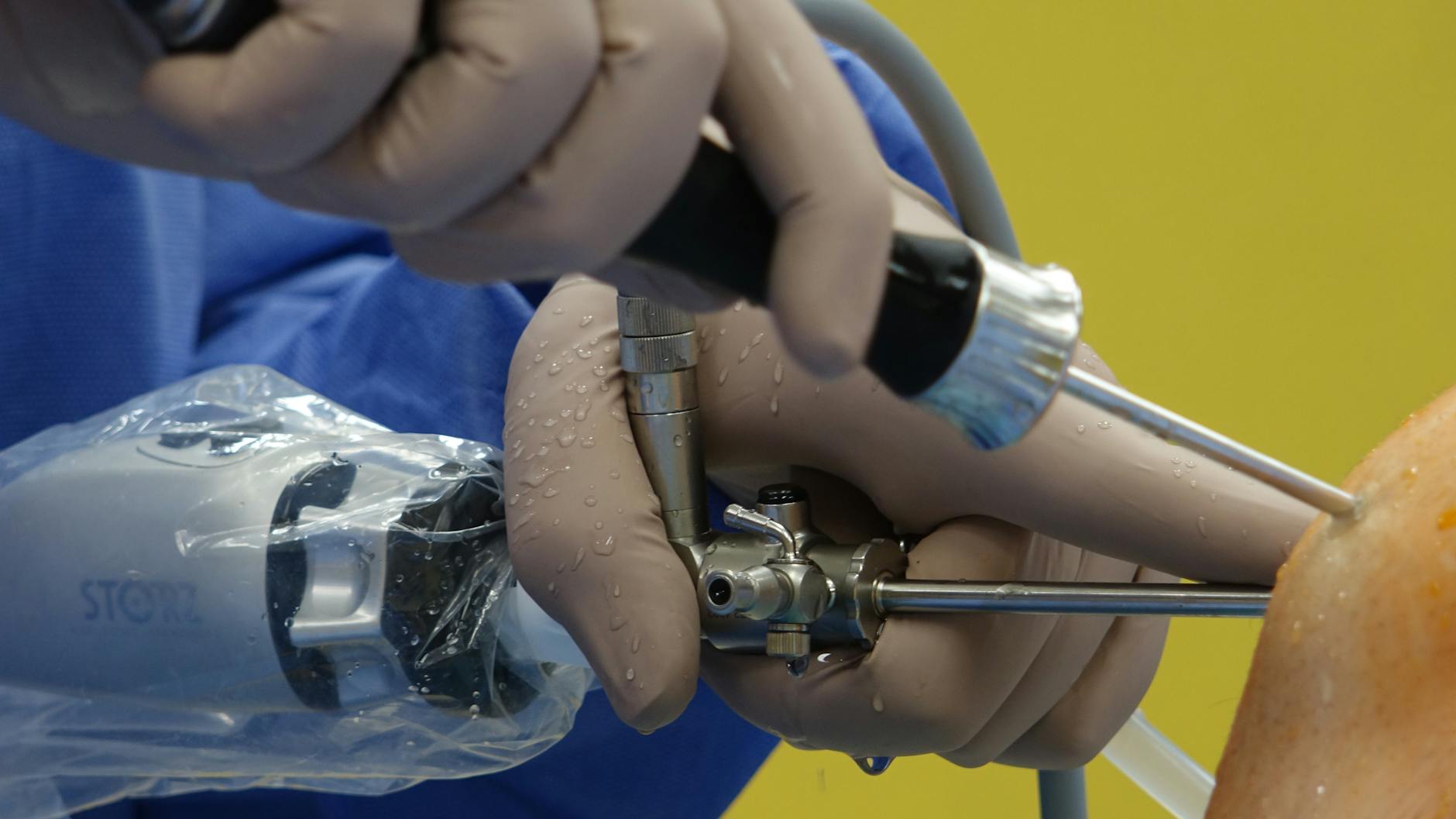
The landscape of medical procedures is constantly evolving, with advancements happening at a breakneck pace. One area experiencing particularly rapid innovation is procedure safety, especially within the realm of minimally invasive techniques. Patients are increasingly seeking out procedures that offer quicker recovery times, reduced scarring, and less overall discomfort. This shift is driving powerful changes in how doctors approach surgery and other interventions, demanding constant adaptation and a commitment to upholding the highest standards of patient care and safety.
As technology progresses, we’re witnessing an exciting array of new tools and techniques that are not only making procedures safer but also more effective. From advanced imaging systems to sophisticated robotic assistance, the possibilities seem limitless. This article will delve into some of the latest trends in procedure safety, specifically focusing on what’s new and noteworthy in the realm of minimally invasive techniques, helping you stay informed about the future of healthcare.
Advanced Imaging and Navigation Systems
One of the most significant advancements in procedure safety has been in the area of imaging and navigation. These systems provide surgeons with unparalleled visibility and control, allowing for more precise interventions and reducing the risk of complications. The development of real-time imaging, coupled with advanced processing capabilities, has revolutionized minimally invasive procedures.
3D Imaging for Enhanced Precision
3D imaging, such as 3D ultrasound and cone-beam CT, provides surgeons with a comprehensive, three-dimensional view of the surgical field. This allows for more accurate planning and execution of procedures, particularly in complex cases. Surgeons can visualize structures in detail, improving the ability for precise incision placement, and navigation of instruments.
Intraoperative Navigation Systems
Navigation systems often link imaging data with a tracking system to precisely guide surgical instruments. This means surgeons can see the instruments’ exact position in real-time, even during minimally invasive procedures where the visualization is limited. They are especially useful in complex procedures like tumor removal, spinal surgeries, and neurosurgical procedures. This contributes to better patient outcomes due to more accurate procedure execution.
Robotic-Assisted Surgical Systems
Robotic-assisted surgery has emerged as a game-changer in procedure safety. These systems provide surgeons with enhanced precision, dexterity, and control, especially during complex or delicate procedures. Robots are not meant to replace surgeons, but rather to augment the surgeon’s skills and abilities allowing for better ergonomics, enhanced vision, and finer movements.
Benefits of Robotic-Assisted Surgery
- Enhanced Precision and Dexterity: Robotic arms offer a wider range of motion and precision.
- Improved Visualization: 3D high-definition vision provided by the robotic systems allows for unparalleled clarity.
- Reduced Incision Size: Minimally invasive robotic-assisted surgeries often require only small incisions, reducing trauma and scarring.
- Faster Recovery Times: Smaller incisions tend to involve less pain and faster recovery, allowing patients to return to their normal activities sooner.
Integration of Artificial Intelligence (AI)
The integration of Artificial Intelligence (AI) into robotic surgical systems has the potential to further enhance procedure safety. AI algorithms can assist surgeons in planning procedures, analyzing data, and even providing real-time guidance during surgery. This can lead to improved accuracy, reduced complications, and optimized patient outcomes.
Advancements in Anesthesia and Pain Management
Effective anesthesia and pain management are crucial for patient safety during minimally invasive procedures. New techniques and medications are continuously being developed to minimize patient discomfort, reduce the risk of complications, and facilitate a smoother recovery. Improvements in this area are inextricably tied to the growing success of minimally invasive techniques.
Regional Anesthesia and Nerve Blocks
Regional anesthesia and nerve blocks are being increasingly utilized to provide targeted pain relief at the surgical site. These techniques can reduce the need for general anesthesia, minimizing its associated risks and side effects. For instance, nerve blocks can efficiently manage pain after a surgery.
Enhanced Recovery After Surgery (ERAS) Protocols
ERAS protocols represent a comprehensive approach to perioperative care, incorporating strategies to optimize patient recovery. These protocols include optimized pain management, nutritional support, and early mobilization. They have been shown to significantly reduce complications, shorten hospital stays, and improve overall patient outcomes.
Innovation in Surgical Instruments and Implants
The tools and materials used in minimally invasive surgery are constantly evolving. Manufacturers are developing smaller, more flexible, and more precise instruments, which allows surgeons to make smaller incisions, reduce tissue trauma, and improve surgical outcomes. New trends in implant technology are also making a major difference to patient safety and recovery.
Advanced Suturing Techniques and Materials
Innovations in suturing techniques and materials have contributed to better surgical outcomes. Self-sealing incisions and advanced suturing methods can reduce the risk of bleeding and infection. Bioabsorbable sutures provide an added benefit by eventually dissolving in the body.
Biocompatible and Patient-Specific Implants
The development of biocompatible and patient-specific implants is another key trend in surgical safety. These implants are designed to integrate seamlessly with the body, reducing the risk of rejection or complications. Patient-specific implants are tailored to the individual’s anatomy, improving fit and performance.
Focus on Patient Education and Preparation
While technology plays a crucial role in procedure safety, the foundation of safe and successful surgeries rests upon patient education and preparation. Well-informed patients who are actively involved in their care are more likely to experience positive outcomes and avoid complications. The trend is to ensure that patients are active participants in their treatments.
Preoperative Education and Counseling
Comprehensive preoperative education and counseling helps patients understand the procedure, potential risks and benefits, and the recovery process. This enables patients to make informed decisions and better prepare themselves for the intervention. The more information and the more understanding a person has, the more likely they are to follow treatment guidelines and have better outcomes.
Multidisciplinary Approach to Care
A multidisciplinary approach, involving surgeons, anesthesiologists, nurses, and other healthcare professionals, is essential for ensuring patient safety. This collaborative approach allows for comprehensive planning, execution, and monitoring of procedures, leading to improved outcomes and a better experience for the patient.
Conclusion
The field of minimally invasive techniques is rapidly changing, and as we’ve seen, it’s driving significant advancements in procedure safety. Advanced imaging, robotic surgery, improved anesthesia and pain management, and innovative instruments and implants are all contributing to safer, more effective procedures. By staying informed about these latest trends and embracing these new technologies, healthcare professionals can continue to provide their patients with The Best possible care.
Are you considering a minimally invasive procedure? Consult with your doctor to discuss the latest advancements that can enhance your safety and recovery.
Frequently Asked Questions (FAQ)
What are the benefits of minimally invasive surgery?
Minimally invasive surgery, due to small incisions, typically results in reduced pain, shorter hospital stays, quicker recovery times, and less scarring compared to traditional open surgery.
Are minimally invasive procedures always the safest option?
While minimally invasive procedures offer many advantages, the best approach depends on the individual case and the patient’s specific needs. Your surgeon will discuss the best option for your situation, carefully weighing the benefit of it.
How can I prepare for a minimally invasive procedure?
Your doctor will provide you with specific instructions on how to prepare but generally speaking, it involves being compliant with medical tests, maintaining nutrition, proper hydration and quitting smoking.
What are the risks associated with minimally invasive procedures?
Like any medical procedure, minimally invasive surgeries carry some risks. These can include bleeding, infection, and damage to surrounding tissues. However, these risks are generally lower compared to traditional open surgery.