
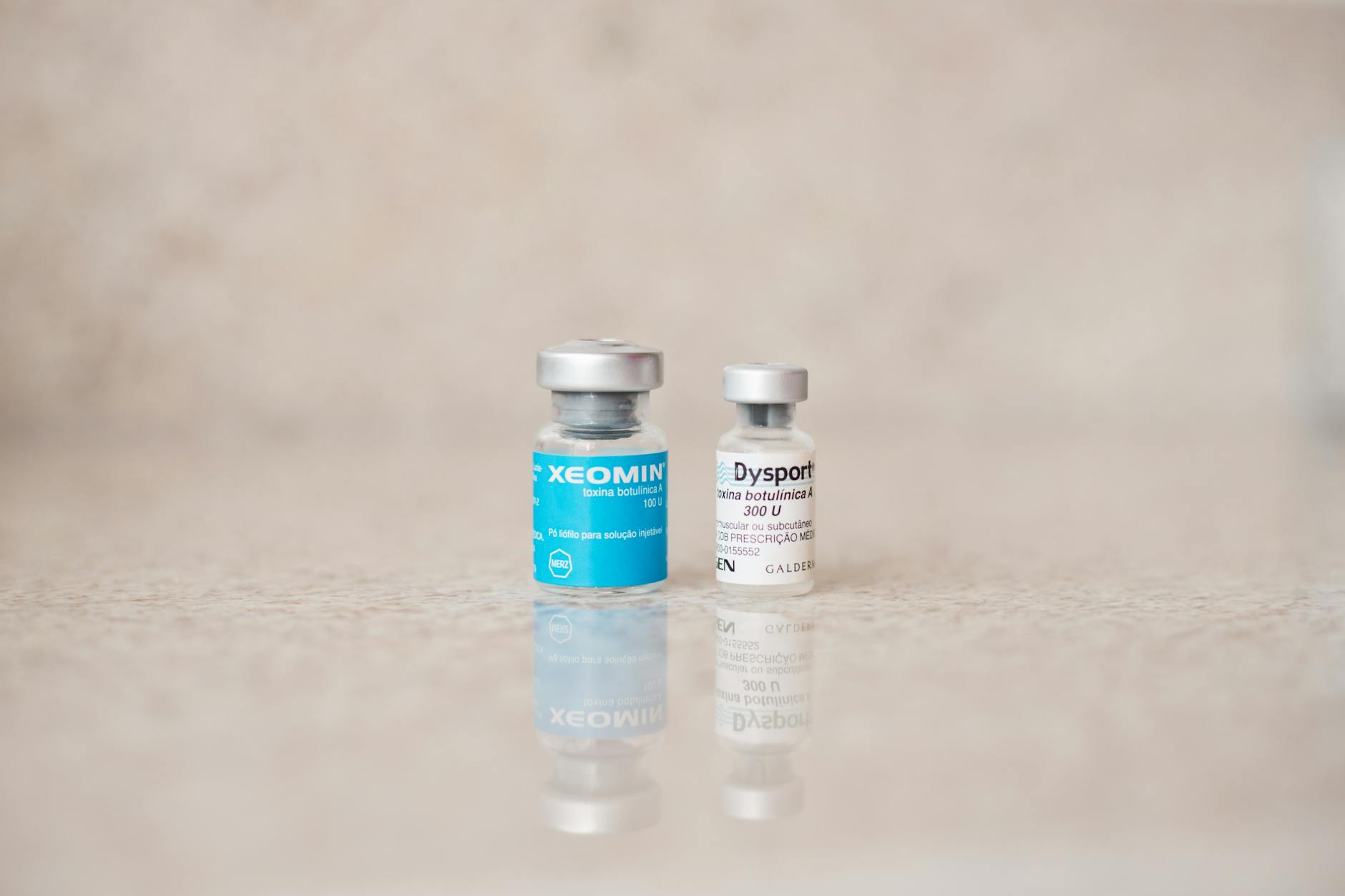
The Ultimate Guide to Botox: Everything You Need to Know Before Your First Injection
Thinking about Botox? You’re not alone. Botox has become incredibly popular for its ability to smooth wrinkles and give a more youthful appearance. But before you take the plunge, it’s essential to arm yourself with the right information. This comprehensive guide will walk you through everything you need to know about Botox, from understanding how it works to what to expect during and after your treatment.
This article is your go-to resource, covering everything from the science behind Botox and its various uses to the potential risks and the all-important question of finding a qualified provider. We’ll delve into the cost, the recovery process, and practical tips to ensure you have a safe and successful experience. Get ready to explore the world of Botox and make an informed decision about whether it’s the right choice for you.
Let’s dive in and unlock the secrets to smoother skin!
What is Botox and How Does it Work?
Botox, short for botulinum toxin type A, is a neurotoxin that works by temporarily paralyzing muscles. Don’t worry, it’s a controlled process! When injected, Botox blocks the signals from nerves to muscles. This prevents the muscles from contracting, which in turn reduces the appearance of wrinkles. It’s primarily used to treat dynamic wrinkles, which are caused by repeated muscle movements, such as frowning, squinting, or raising your eyebrows.
The Science Behind Botox
The active ingredient in Botox, botulinum toxin, interferes with the release of acetylcholine, a neurotransmitter responsible for triggering muscle contractions. By blocking this release, Botox effectively relaxes the targeted muscles, smoothing out the wrinkles above them. This effect is temporary, typically lasting for three to six months, after which the muscles regain their function and the wrinkles gradually reappear.
Botox vs. Fillers: What’s the Difference?
It’s important to understand the difference between Botox and dermal fillers. While both are injectable treatments, they work differently. Botox addresses wrinkles caused by muscle movement (dynamic wrinkles), while fillers add volume to the face or fill in static wrinkles and folds. Fillers are often made of hyaluronic acid and are used to plump up lips, cheeks, and other areas where volume has been lost. The two treatments can even be used together for a more comprehensive rejuvenation.
Common Uses of Botox: Beyond Wrinkle Reduction
While most people associate Botox with wrinkle reduction, its applications extend far beyond cosmetic purposes. This versatility makes it a valuable tool in various medical treatments.
Cosmetic Applications
Beyond the classic “crow’s feet” and forehead lines, Botox is used to treat a variety of cosmetic concerns including:
- Frown lines (glabellar lines)
- Horizontal forehead lines
- Crow’s feet (lines around the eyes)
- Bunny lines (lines on the nose)
- Neck bands (platysmal bands)
- Lip lines (smoker’s lines)
Medical Applications
Botox is also used to treat a range of medical conditions, some of them are:
- Hyperhidrosis (excessive sweating)
- Migraines (chronic migraine prevention)
- Blepharospasm (uncontrollable blinking)
- Strabismus (crossed eyes)
- Overactive bladder
What to Expect During a Botox Treatment
Undergoing a Botox treatment is a relatively quick and straightforward procedure. Knowing what to expect can ease any anxieties you might have. Here’s a step-by-step breakdown:
The Consultation
Before any treatment, you’ll have a consultation with a qualified and experienced provider. During this consultation, they will assess your concerns, medical history, and discuss your desired results. This is the perfect time to ask any questions you have and ensure you’re a good candidate for Botox. The provider will also explain the treatment, the potential risks, and the aftercare instructions. Be sure to be honest during the consultation.
The Procedure
The actual Botox procedure is quick, typically lasting only 10-20 minutes. The provider will use a fine needle to inject small amounts of Botox into the targeted muscles. They might apply a numbing cream beforehand, especially if your pain tolerance is low. You may feel a slight pinch or sting during each injection, but the discomfort is usually minimal. The number of injections will depend on the area being treated and the results you’re seeking.
Aftercare Instructions
Following a Botox treatment, it’s important to follow your provider’s aftercare instructions. This usually involves:
- Avoiding strenuous exercise for 24 hours
- Not rubbing or massaging the treated area
- Staying upright for a few hours after the procedure
- Avoiding alcohol and blood-thinning medications for a short period
Potential Risks and Side Effects of Botox
While Botox is a safe and effective treatment when administered by a qualified professional, it’s important to be aware of the potential risks and side effects.
Common Side Effects
The most common side effects are mild and temporary, including:
- Bruising at the injection site
- Swelling
- Redness
- Headache (rare)
- Mild flu-like symptoms (rare)
Less Common Risks
More serious, but less frequent, risks include:
- Drooping eyelids or eyebrows (ptosis)
- Asymmetry
- Muscle weakness in nearby areas
It’s crucial to choose a board-certified professional and to discuss any concerns you have during your consultation to discuss how to minimize risks.
Finding a Qualified Botox Provider
The key to a safe and successful Botox treatment is Choosing a qualified and experienced provider. Here’s what to look for:
Credentials and Experience
Ensure your provider is a licensed and experienced medical professional, such as a dermatologist, plastic surgeon, or nurse injector under the supervision of a physician. Check their credentials and experience, and ask to see before-and-after photos of their work. Look for reviews and testimonials from previous patients.
The Consultation Process
A thorough consultation is crucial. The provider should:
- Evaluate your facial anatomy
- Understand your goals
- Discuss the risks and benefits of the treatment
- Answer all your questions
- Build a treatment plan appropriate to your needs
Check the Clinic’s Reputation
Research the clinic’s reputation. Look for reviews on platforms like Google, Yelp, and RealSelf. Consider asking friends or family for recommendations. A reputable clinic will have a clean, professional environment and a commitment to patient safety.
Conclusion: Get Your Botox Journey Started Today!
Botox can be a fantastic way to rejuvenate your appearance and boost your confidence. By understanding how it works, what to expect, and where to find a qualified provider, you can make an informed decision and embark on your Botox journey with confidence. Remember to prioritize your safety and choose a reputable professional.
Ready to experience the smoothing power of Botox? Schedule a consultation today and take the first step towards a more youthful you!
Frequently Asked Questions
Is Botox painful?
Most people experience only minimal discomfort during the injections, often described as a slight pinch. Your provider may offer numbing cream.
How long does Botox last?
The effects of Botox typically last for three to six months. Repeat injections are needed to maintain the results.
Are there any restrictions after getting Botox?
You should avoid strenuous exercise, rubbing the treated area, and lying down for a few hours immediately after the injection. Your provider will give you a detailed list of instructions.
When will I see the results of Botox?
The results of Botox typically become noticeable within a few days, with the full effects appearing within one to two weeks.
What are the potential side effects of Botox?
Common side effects include bruising, swelling, and redness at the injection site. Less common but more serious side effects include drooping eyelids or eyebrows.