
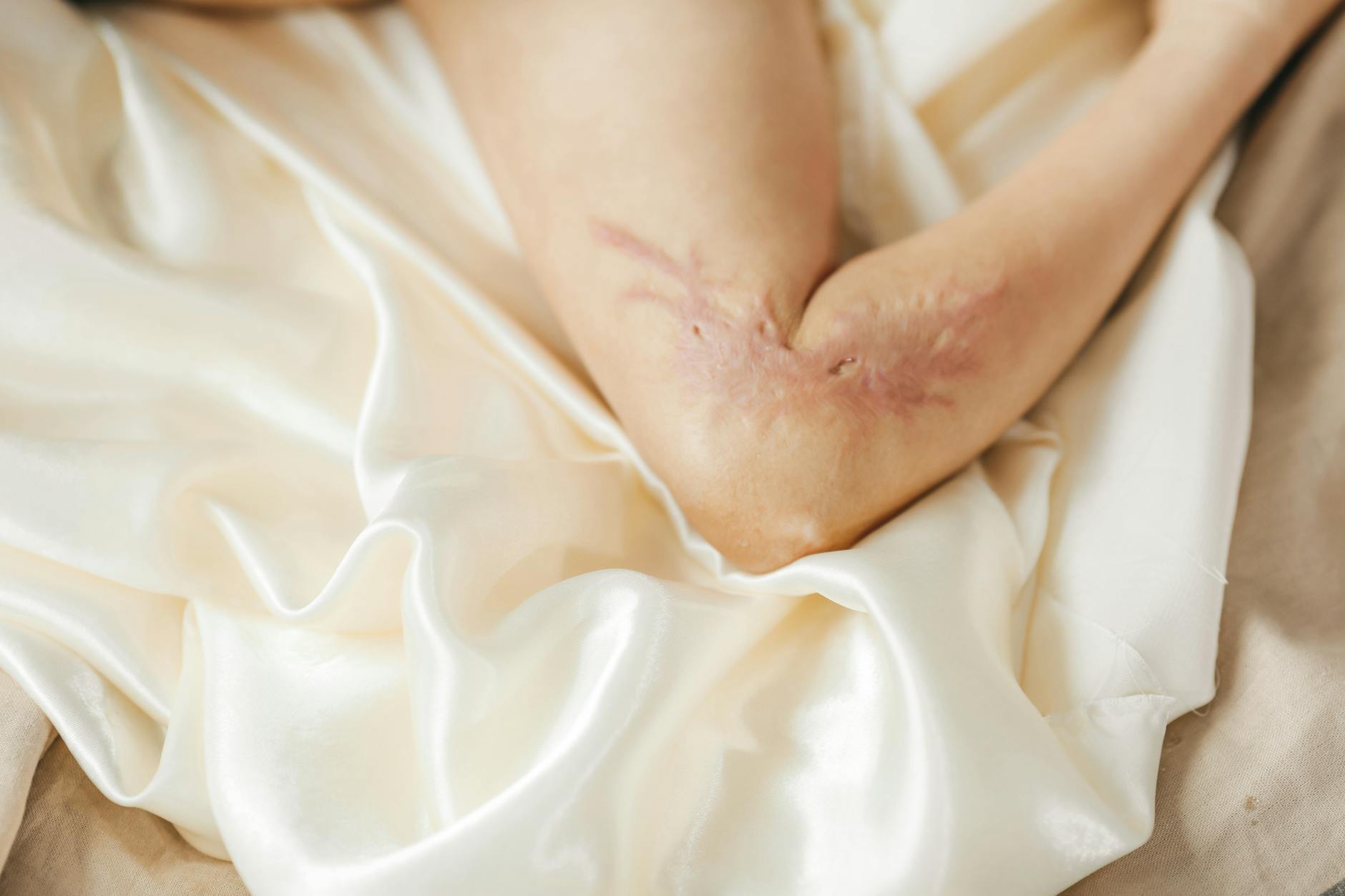
Dealing with Liposuction Scars: Scar Management and Minimization Tips
Liposuction is a popular cosmetic procedure that can significantly enhance body contours and boost self-confidence. While the results can be transformative, a common concern among patients is the visibility of scars. Even with the advancements in surgical techniques, scars are an unavoidable part of the process. However, understanding how scars form and knowing The Best ways to manage them can make a world of difference in your recovery journey. This article provides a comprehensive guide to liposuction scar management, offering practical tips and strategies to minimize their appearance and promote optimal healing.
Whether you’re considering liposuction, recently had the procedure, or are simply curious about how to care for your skin after surgery, this guide offers valuable insights. We’ll explore the science behind scar formation, discuss various treatment options, and provide actionable advice you can implement at home. The goal is to empower you with the knowledge and tools you need to achieve the best possible aesthetic outcome and feel confident in your own skin.
Let’s dive in and explore the best practices for managing liposuction scars and achieving a more seamless result. Your journey to a sculpted silhouette doesn’t have to be marred by lingering reminders of your procedure; with the right care, you can minimize the appearance of scars and embrace your new body with pride.
Understanding Liposuction Scar Formation
Scarring is the body’s natural response to trauma or injury, including surgical incisions. Liposuction, while minimally invasive compared to some procedures, still requires small incisions to insert the cannula used to remove fat. The size and placement of these incisions play a significant role in the visibility of the scars. Several factors influence how your scars will heal:
Types of Liposuction Incisions and Scarring
The surgeon’s technique and experience significantly influence scarring. Some common incision placements include the belly button, under the breasts, in the groin area, or within existing skin folds. The type of cannula used and the precision of the surgeon’s incisions contribute to the final scar appearance. Often, incisions are placed in discreet locations to minimize visibility.
Factors Influencing Scarring
Various factors affect scar formation, including genetics, skin type, age, and lifestyle. Individuals with darker skin tones may be more prone to hyperpigmentation (darkening) or hypertrophic scars (raised scars). Genetics play a significant role in how your body heals, and some people naturally scar more easily than others. Maintaining a healthy lifestyle, avoiding smoking, and following your surgeon’s post-operative instructions are crucial for optimal healing and scar management.
Immediate Post-Liposuction Scar Care
The initial phase of scar care is crucial for setting the stage for optimal healing. This period focuses on promoting wound closure and preventing complications. Proper immediate care can significantly impact the long-term appearance of your scars.
Wound Cleaning and Dressing
Following your surgeon’s instructions precisely is paramount. Typically, wound care involves gentle cleaning with mild soap and water, followed by applying a prescribed ointment or dressing. Your surgeon will advise you on the best type of dressing (e.g., sterile bandages or adhesive strips) and the frequency of changing them. This helps keep the incision sites clean, prevents infection, and promotes proper healing.
Avoiding Infection
Infection can severely impede the healing process and worsen scarring. Signs of infection include increased redness, swelling, pus, and fever. It is essential to monitor your incisions closely for any unusual symptoms. Contact your surgeon immediately if you suspect an infection. Following post-operative instructions, avoiding touching the incisions with unwashed hands, and taking any prescribed antibiotics are critical steps in preventing infection.
Compression Garments
Wearing a compression garment, as advised by your surgeon, is crucial. Compression helps minimize swelling, support the healing tissues, and reduce the risk of fluid accumulation (seroma). It also aids in flattening the scars. The duration of compression garment use varies depending on the surgeon’s recommendations and the extent of the liposuction, but it is typically worn for several weeks post-surgery.
Long-Term Scar Management Techniques
Once the initial healing phase is complete, you can begin implementing long-term scar management techniques to improve the appearance of your scars. Consistency and patience are key, as it can take several months for scars to fully mature.
Topical Treatments
Several topical treatments are available to help minimize scars. These include:
- Silicone Sheets and Gels: Silicone products are considered the gold standard for scar management. They hydrate the scar, reduce inflammation, and may soften its appearance. Apply silicone sheets or gels as directed by your surgeon, typically daily, for several months.
- Vitamin E Oil: While the evidence is mixed, some people find vitamin E oil helpful in softening scars. However, consult your surgeon before using any new products on your healing scars.
- Bio-Oil: Bio-Oil is a popular product that contains various oils and vitamins to improve skin appearance. It may help with hydration and reduce the appearance of scars.
Massage Techniques
Gentle massage can help break down scar tissue, improve blood flow, and flatten scars. Once your incisions are fully closed and your surgeon gives you the green light, start by gently massaging the scarred areas in a circular motion. Avoid excessive pressure or pulling on the skin. You can use a moisturizing cream or oil during massage.
Sun Protection
Sun exposure can significantly darken scars, making them more noticeable. Protect your scars from the sun by:
- Wearing protective clothing.
- Applying a broad-spectrum sunscreen with an SPF of 30 or higher to the scarred areas whenever they are exposed to the sun.
- Avoiding prolonged sun exposure.
Advanced Scar Treatment Options
For more stubborn or severe scars, advanced treatment options may be necessary to achieve optimal results. Discuss these options with your dermatologist or plastic surgeon.
Laser Therapy
Laser treatments, such as fractional laser resurfacing, can help improve the texture and appearance of scars by promoting collagen remodeling. Different types of lasers may be used depending on the scar type (e.g., raised, discolored). Multiple sessions may be required to achieve desired results. Consult a qualified dermatologist or plastic surgeon to determine if laser therapy is suitable for you.
Steroid Injections
Steroid injections can help soften and flatten raised scars (hypertrophic or keloid scars). These injections are usually administered directly into the scar tissue by a dermatologist or plastic surgeon. Multiple injections may be needed. While effective, the risk of side effects, such as skin thinning, must be taken into consideration.
Microneedling
Microneedling involves using tiny needles to create micro-injuries in the skin, which stimulates collagen production and improves scar appearance. This procedure may be combined with topical treatments for enhanced results, Microneedling is generally considered safe but can have some downtime.
Conclusion: Embrace Your Transformation and Manage Your Scars with Confidence
Managing liposuction scars is a journey that requires patience, dedication, and the right approach. By understanding the causes of scarring, implementing proper post-operative care, and utilizing various management techniques, you can significantly improve the appearance of your scars. Remember, every individual heals differently, so consistency and open communication with your surgeon are paramount. Embrace the transformative power of liposuction and the beautiful body you have achieved, and let these tips guide you toward a more confident and scar-free you.
Ready to minimize your liposuction scars? Schedule a consultation with your surgeon or a dermatologist to discuss the best treatment plan for your needs. Take control of your recovery and enjoy the results of your transformation!
FAQ: Your Questions Answered
How long does it take for liposuction scars to fade?
The time it takes for liposuction scars to fade varies. With proper care, they typically begin to fade within a few months, but it may take up to a year or more for the final result. Factors include your skin type, genetics, and the scar management techniques employed.
Can I use scar creams or oils right after surgery?
No, typically you need to wait until the incisions have closed and your doctor gives you the green light. Using creams or oils too early can interfere with wound healing. Always follow your surgeon’s specific instructions for post-operative care.
Are liposuction scars permanent?
Liposuction scars are permanent, technically, but their appearance can significantly improve over time with proper care. They will likely fade and become less noticeable. Various treatments can further enhance their appearance.
What should I do if my scars look red and raised?
If your scars appear red, raised, or painful, you should consult your surgeon or dermatologist immediately. These could be signs of abnormal scarring, such as hypertrophic scars or keloids, which may require specific treatment.