
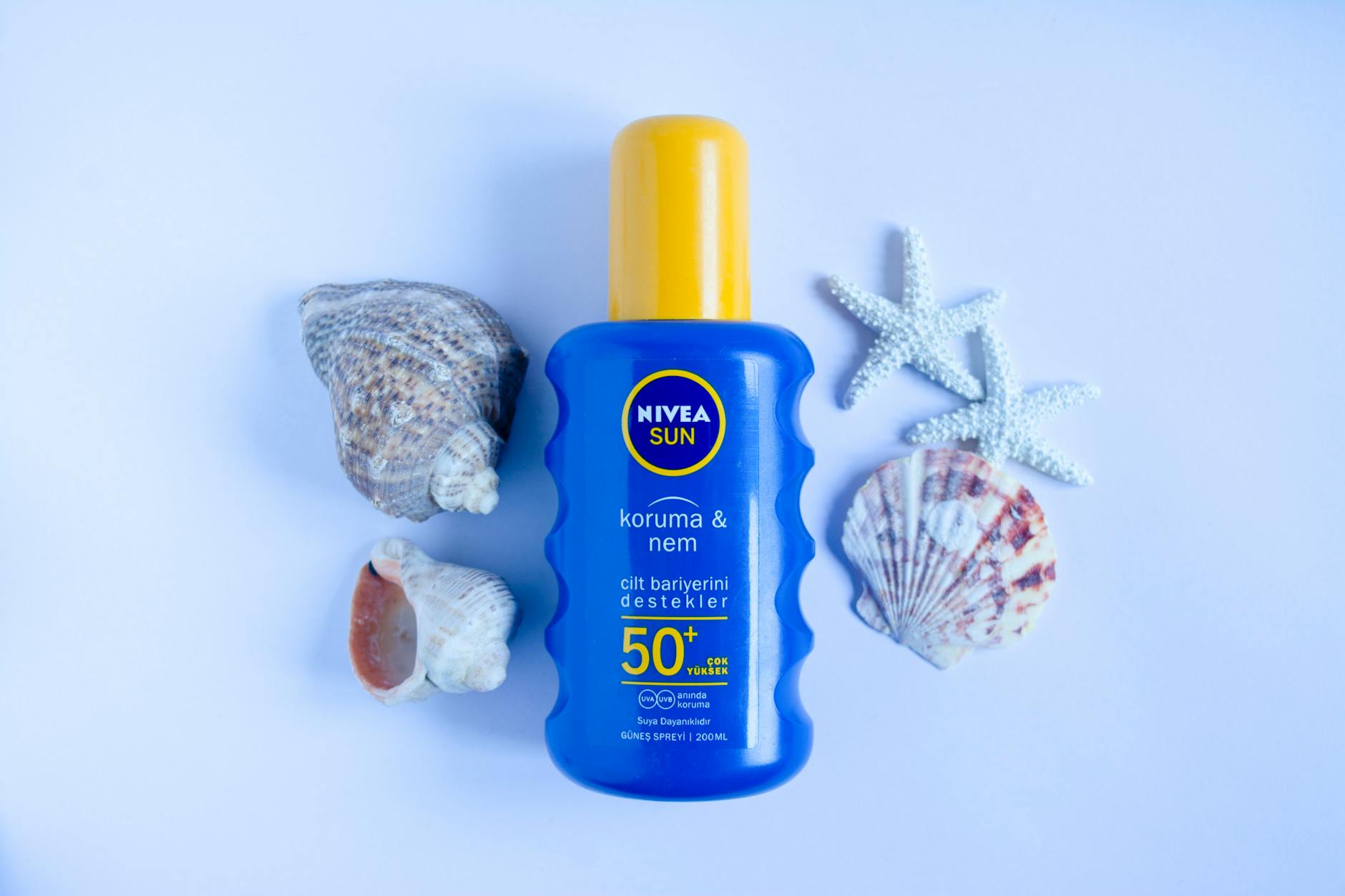
You’re here because you understand the importance of **sunscreen**. In today’s world of increased sun exposure and its associated risks, protecting your skin is non-negotiable. But with the dizzying array of options available, choosing the right sunscreen can feel like navigating a complex maze. Fear not! This comprehensive guide dives deep into The Best sunscreens, tailored for every skin type, so you can make informed decisions and safeguard your skin effectively. We’ll explore various formulas, ingredients, and application tips to help you embrace the sun safely and confidently.
This isn’t just about slapping on any sunscreen. It’s about finding the perfect match for your unique skin needs. Whether you have oily, sensitive, dry, acne-prone, or combination skin, finding the right **sunscreen** is crucial for preventing sun damage, premature aging, and, most importantly, skin cancer. Get ready to discover the top-rated products and expert advice, helping you curate your ideal skincare routine. Let’s get you ready to protect that precious skin!
—
Best Sunscreens for Oily Skin
Oily skin demands a sunscreen that offers protection without exacerbating shine or clogging pores. Look for lightweight, oil-free, non-comedogenic formulas that absorb quickly.
Key Features to Consider:
- Oil-Free: Crucial to prevent breakouts and shine.
- Non-Comedogenic: Formulated not to clog pores.
- Mattifying: Helps control oil production.
- Gel or Lotion-Based: Typically less heavy than cream-based sunscreens.
Product Recommendations:
Here are some top contenders for oily skin:
- EltaMD UV Clear Broad-Spectrum SPF 46: A dermatologist favorite, this sunscreen contains niacinamide to help calm and soothe the skin, in addition to providing oil-free protection.
- La Roche-Posay Anthelios Clear Skin Dry Touch Sunscreen SPF 60: This sunscreen offers a matte finish and is specifically designed for oily skin.
- Neutrogena Ultra Sheer Dry-Touch Sunscreen SPF 55: A readily available and effective option known for providing a lightweight dry-touch feel.
Best Sunscreens for Sensitive Skin
Sensitive skin requires gentle, fragrance-free, and hypoallergenic formulas. Look for sunscreens with mineral-based ingredients like zinc oxide and titanium dioxide, which are generally less irritating.
Key Features to Consider:
- Mineral-Based: Zinc oxide and titanium dioxide are the main filters.
- Fragrance-Free: Reduces the risk of irritation.
- Hypoallergenic: Minimizes the chance of an allergic reaction.
- Alcohol-Free: Prevent drying out the skin.
Product Recommendations:
Here are some excellent choices for sensitive skin:
- Thinkbaby Safe Sunscreen SPF 50+: A mineral-based sunscreen known for its gentle formula and safe for babies and adults.
- CeraVe Hydrating Sunscreen Face Lotion SPF 30: This sunscreen contains ceramides to help restore the skin’s natural barrier.
- Blue Lizard Australian Sunscreen Sensitive SPF 30+: Known for its gentle formula and eco-friendly packaging.
Best Sunscreens for Dry Skin
Dry skin benefits from sunscreens that provide hydration and protection. Look for cream-based formulas that contain moisturizing ingredients.
Key Features to Consider:
- Cream-Based: Provides a rich and hydrating texture.
- Hydrating Ingredients: Hyaluronic Acid, ceramides, and glycerin are ideal.
- Emollient Rich: Helps to lock in moisture and sooth dryness.
Product Recommendations:
Here are some top-rated sunscreens specifically designed for dry skin:
- Supergoop! Unseen Sunscreen SPF 40: While technically a clear gel, it’s hydrating and works really well on dry skin types.
- Paula’s Choice RESIST Super-Light Daily Wrinkle Defense SPF 30: This sunscreen offers broad-spectrum protection along with gentle hydration and is a great daily pick.
- EltaMD UV Moisturizing Broad-Spectrum SPF 46: This sunscreen will hydrate and provide sun protection.
Best Sunscreens for Acne-Prone Skin
Those with acne-prone skin need sunscreens that won’t clog pores or lead to further breakouts. Look for non-comedogenic, oil-free, and often, mineral-based sunscreens.
Key Features to Consider:
- Non-Comedogenic: Won’t clog pores.
- Oil-Free: Avoids adding oil and shine.
- Lightweight Formula: Reduces the risk of breakouts.
- Possibly contains ingredients like salicylic acid or benzoyl peroxide: Although, consult your dermatologist first.
Product Recommendations:
Here are some effective sunscreens for acne-prone skin:
- La Roche-Posay Anthelios Clear Skin Dry Touch Sunscreen SPF 60: As mentioned before, a great choice and loved by many.
- Neutrogena Break-Out Free SPF 50: Formulated for acne-prone skin.
- CeraVe AM Facial Moisturizing Lotion SPF 30: This offers broad-spectrum protection and also helps to hydrate, however, some may find it a bit heavy.
Best Sunscreens for Combination Skin
Combination skin requires a balanced approach. You need a sunscreen that provides hydration in dryer areas while controlling oil in oilier areas. Lightweight and non-comedogenic formulas work best.
Key Features to Consider:
- Lightweight: Less likely to cause breakouts.
- Non-Comedogenic: Avoids clogging pores.
- Balances Hydration: Provides moisturizing effects, without being too oily.
Product Recommendations:
Here are some reliable options for combination skin types:
- EltaMD UV Clear Broad-Spectrum SPF 46: Great for its all around properties.
- Biore UV Aqua Rich Watery Essence SPF 50+/PA++++: A very lightweight, hydrating essence, it may work well for combination skin.
- Supergoop! Unseen Sunscreen SPF 40: A good option for all skin types and can easily work for combination.
—
Conclusion
Choosing the right **sunscreen** is a vital part of your skincare routine. By considering your skin type and the ingredients to look for, you can find the perfect sunscreen to protect your skin from the harmful effects of the sun. Don’t let the vast choices overwhelm you; focus on finding the right fit for *your* needs.
Ready to find your perfect match? Begin by reading the product recommendations above and understanding your skin type. Then, shop around and consider trying several samples to test the texture and comfort. Don’t wait – start protecting your skin today! Remember to apply your sunscreen generously and reapply every two hours, or more often if you’re swimming or sweating. Your skin will thank you!
Invest in your skin’s future – choose the right sunscreen and embrace a lifetime of healthy, protected skin!
—
FAQ: Your Sunscreen Questions Answered
What SPF do I need?
Dermatologists typically recommend using a sunscreen with an SPF of at least 30, which blocks about 97% of UVB rays. For extended sun exposure, consider a higher SPF, such as 50 or higher, but remember that no sunscreen blocks 100% of UV rays.
How much sunscreen should I apply?
A good rule of thumb is to apply about one ounce (or a shot glass full) of sunscreen to your entire body. For your face, use about a quarter-sized amount.
Do I need to wear sunscreen on cloudy days?
Yes! UV rays can penetrate clouds, so you should wear sunscreen even on cloudy days. UV exposure is still possible and can damage your skin significantly.
How often should I reapply sunscreen?
Reapply sunscreen every two hours, or more often if you are swimming or sweating heavily. This ensures continuous protection.
Is mineral sunscreen better than chemical sunscreen?
Both types of sunscreen are effective. Mineral sunscreens (zinc oxide and titanium dioxide) are often preferred for sensitive skin because they are generally less irritating. However, the best sunscreen is the one you will consistently use, regardless of the formula.