
Contenu de l’article :
So, you’ve bravely undergone [Specific Procedure]? Congratulations! Now comes the crucial phase: the recovery. This period can be just as demanding as the procedure itself, requiring patience, diligence, and a keen understanding of what to do – and, perhaps more importantly, what not to do. Navigating the post-op landscape can seem daunting, but armed with the right knowledge, you can significantly improve your healing process, minimize complications, and get back to your well-being with confidence.
This article is designed to be your guide through the potential pitfalls of the recovery stage. We’ll delve into common mistakes people make after [Specific Procedure] and provide actionable advice on how to steer clear of them. Remember, every individual’s recovery is unique. Always defer to your surgeon’s specific instructions, but this guide will provide a general framework for best practices and a head start toward a smooth, successful recuperation. Let’s make sure your journey back to yourself is as easy as possible.
Avoiding Common Mistakes: What Not To Do During [Specific Procedure] Recovery
Recovering from [Specific Procedure] demands a carefully considered approach. While medical advancements have made procedures safer, the recovery process can still be complex. This section will highlight frequently encountered missteps and explain why they can hinder your rehabilitation.
1. Neglecting Post-Operative Instructions
The single most critical aspect of a successful recovery is adhering precisely to your surgeon’s post-operative instructions. These instructions are tailored to your specific surgery, physical condition, and healing trajectory. Ignoring directions related to wound care, medication schedules, activity limitations, and follow-up appointments can lead to serious consequences.
- Skipping Medications: Failing to take prescribed pain medication or antibiotics can increase pain levels and the risk of infection.
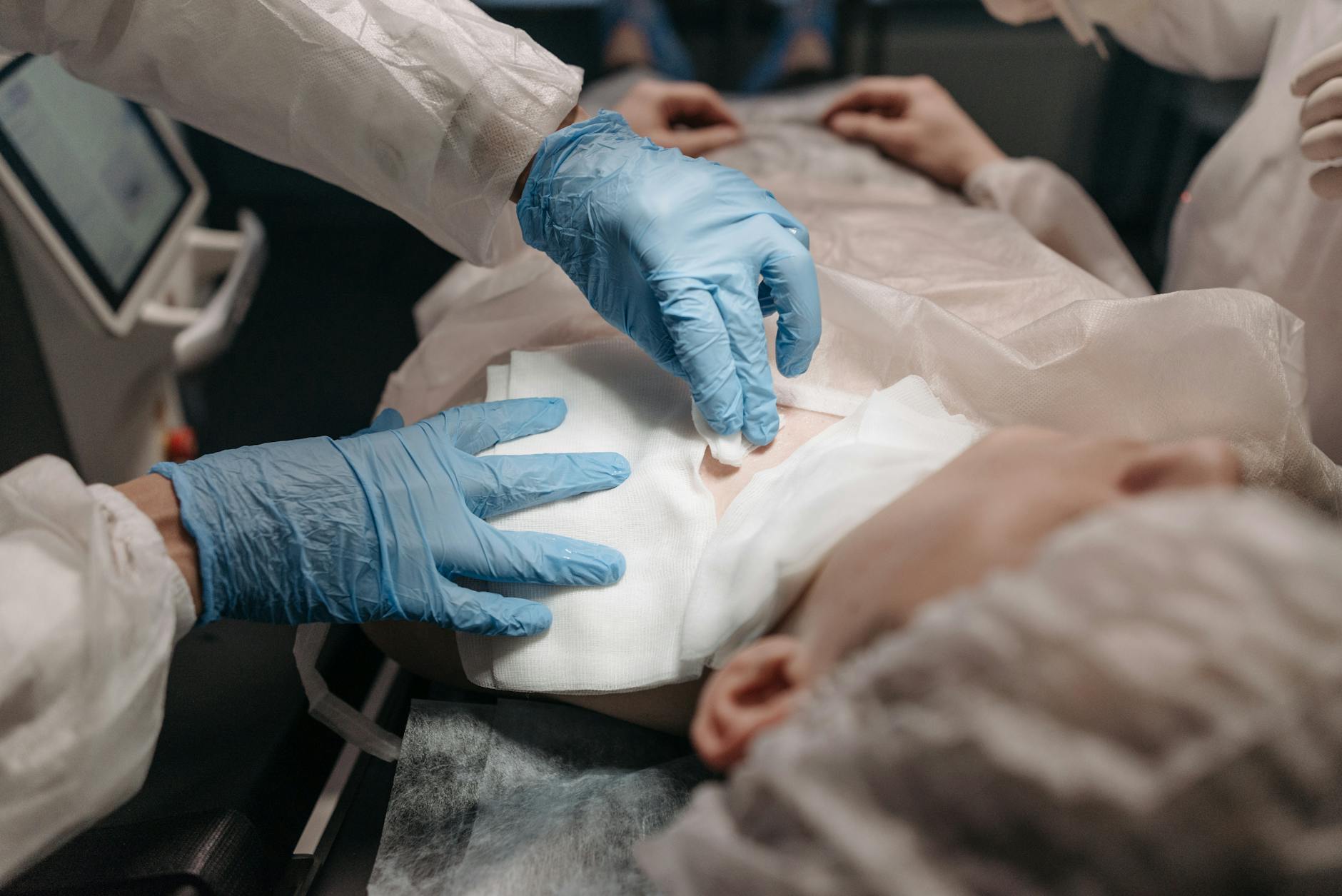
- Ignoring Wound Care: Improper wound care, such as failing to clean the wound, changing the dressing as directed, or signs of infection can lead to complications.
- Over or Under Activity: Pushing yourself too soon can strain the surgical site and delay healing. Being overly sedentary can lead to stiffness, blood clots, and muscle atrophy.
- Missing Follow-Up Appointments: These are crucial for your surgeon to monitor your progress, address concerns, and make necessary adjustments to your recovery plan.
Remedy: Carefully review your post-operative instructions before the surgery. Ask your surgeon to clarify any unclear points. Set reminders for medications and appointments. Involve a trusted friend or family member who can assist with medication management and wound care if needed.
2. Poor Nutrition and Hydration
Your body needs adequate fuel to heal. A poor diet can slow down your recovery and make you more susceptible to complications. Similarly, dehydration can negatively impact every system in your body and hinder healing.
3. Insufficient Sleep and Rest
Sleep is when your body repairs itself. Skimping on sleep during recovery is like trying to build a house without bricks. It compromises the healing process, increasing inflammation and making you more prone to complications.
- Insufficient Rest: A physically demanding recovery often requires that you increase your sleep.
- Sleep Disruption: Sometimes medication and pain management can make it difficult.
Remedy: Prioritize sleep and rest. Aim for 7-9 hours of sleep per night. Schedule regular rest periods throughout the day. Create a comfortable sleep environment. Address sleep disturbances with your doctor if it becomes a continuous issue.
4. Ignoring Signs of Complications
While some discomfort is normal after [Specific Procedure], certain symptoms warrant immediate attention. Ignoring these warning signs can escalate minor problems into serious ones. Be proactive and alert, always contacting your medical providers if the signs exist.
- Increased Pain: Pain that worsens despite medication may indicate infection or other complications.
- Fever and Chills : Fever can signal a possible infection.
- Excessive Bleeding or Drainage: Any unexpected or increased bleeding or concerning drainage at the surgical site should be reported immediately.
- Numbness, Tingling, or Weakness: These can indicate nerve damage or other issues.
- Shortness of Breath or Chest Pain: If you experience difficulty breathing, and chest pain, this could be a serious issue.
Remedy: Know the signs of potential complications. Keep your surgeon’s phone number and the emergency room’s number handy. Contact your surgeon promptly if you experience any concerning symptoms. Don’t hesitate to seek emergency medical attention if needed.
5. Smoking, Drinking Alcohol, and Using Certain Substances
Certain substances can significantly impede healing. Both smoking and alcohol can interfere with your body’s natural healing abilities, creating complications.
- Smoking: Smoking constricts blood vessels, reducing blood flow to the surgical site and delaying healing. It also increases the risk of infection and blood clots.
- Alcohol: Can interfere with medications, weaken your immune system, and slow down the healing process.
- Other Substances: Certain illegal substances and some over-the-counter medications can interfere with healing or lead to adverse reactions when combined with your prescribed medications.
Remedy: Abstain from smoking completely. Limit or avoid alcohol consumption as directed by your surgeon. Be sure to inform your surgical team of any medications you are taking, and if you have any questions, consult your surgeon or pharmacist.
Conclusion: Your Path to a Successful Recovery
Successfully navigating the recovery period after [Specific Procedure] requires a proactive approach. By avoiding the common pitfalls we’ve discussed, you’ll significantly increase your chances of a smooth recovery with minimal complications. Remember, this is your journey, and you are in control. Embrace your recovery plan, listen to your body, and never hesitate to seek guidance from your medical team. Your health is the most important thing.
Take Charge of Your Healing: Ready to take the next step? Ensure you have your post-operative instructions in an easily accessible location and create a personalized recovery plan. If you have questions before or after the procedure, don’t hesitate to reach out to our team during business hours.
Frequently Asked Questions
What should I do if my pain isn’t getting better after surgery?
Contact your surgeon immediately. Pain that persists or worsens despite medication can indicate complications like infection or inflammation. It’s crucial to report this symptom promptly.
When can I resume [Specific Activity] after [Specific Procedure]?
The time to return to [Specific Activity] varies depending on the procedure and your individual recovery. Always follow your surgeon’s specific recommendations, as returning too soon can jeopardize your healing.
How can I manage swelling after [Specific Procedure]?
Following your surgeon’s instructions for elevation, ice packs, and compression is crucial. In addition, you should reduce sodium intake, stay hydrated, and try to avoid prolonged standing or sitting.
Is it normal to feel tired after [Specific Procedure]?
Yes, fatigue is a common symptom in the immediate post-operative period. Rest often, pace your activities, and listen to your body. If fatigue is excessive, consult your surgeon.
How do I know if the surgical site is infected?
Signs of infection include increased pain, redness, swelling, increased warmth around the incision site, pus or unusual drainage, and a fever. Contact your surgeon if you think you have an infection.