
Laser Skin Resurfacing: Types, Procedures, and Recovery Times
Are you looking to refresh your skin and turn back the clock? Laser skin resurfacing has become a popular and effective treatment for a variety of skin concerns, from wrinkles and fine lines to scars and sun damage. This innovative procedure utilizes concentrated beams of light to address imperfections, promoting collagen production and leaving you with smoother, more youthful-looking skin. But with so many options available, understanding the different types of laser resurfacing, the procedures involved, and the recovery process can be overwhelming. This comprehensive guide will break down everything you need to know about laser skin resurfacing, empowering you to make informed decisions about your skincare journey.
Whether you’re curious about ablative or non-ablative lasers, what to expect during a treatment session, or How Long your recovery will take, we’ve got you covered. This article will explore the specifics of different laser types, delve into the procedures, and provide helpful insights into the recovery timeline. Get ready to discover the possibilities of laser skin resurfacing and how it can help you achieve your desired skin transformation.
Let’s dive in and explore the world of laser skin resurfacing!
What is Laser Skin Resurfacing?
Laser skin resurfacing is a cosmetic procedure that uses focused light beams to improve the appearance of the skin. The laser precisely targets and removes the outer layers of damaged skin, stimulating the growth of new, healthy skin cells and boosting collagen production. This process can significantly reduce the appearance of wrinkles, fine lines, scars, age spots, and other skin imperfections. The precise nature of the laser allows for targeted treatment, minimizing damage to surrounding tissue and maximizing results.
There are two main categories of laser skin resurfacing: ablative and non-ablative. Each type uses different wavelengths and techniques to achieve varying degrees of skin rejuvenation. The best option for you will depend on your specific skin concerns, skin type, and desired outcome.
Types of Laser Skin Resurfacing
Understanding the different types of laser resurfacing treatments is crucial to choosing the right option for your needs. Here’s a breakdown of the most common procedures:
Ablative Lasers
Ablative lasers remove the outer layers of the skin, offering dramatic results. These lasers are often used for significant wrinkles, scars, and sun damage. There are two main types of ablative lasers:
- CO2 Lasers: These lasers use carbon dioxide to vaporize skin cells. They are highly effective for treating deep wrinkles, scars, and uneven skin texture. They typically offer more dramatic results but require a longer recovery period.
- Erbium Lasers: Erbium lasers are another type of ablative laser, but they are generally less aggressive than CO2 lasers. They are often used for less severe signs of aging, such as moderate wrinkles and sunspots. The recovery time is typically shorter than with CO2 lasers.
Non-Ablative Lasers
Non-ablative lasers heat the underlying skin tissue without removing the outer layers. This stimulates collagen production, resulting in firmer, smoother skin. They are a less invasive option with shorter recovery times, making them ideal for individuals seeking mild to moderate skin improvement.
- Fractional Lasers: These lasers deliver energy in a fractional pattern, treating only a portion of the skin at a time. This allows for faster healing and reduced downtime compared to traditional ablative lasers. Fractional lasers can be either ablative or non-ablative, depending on the specific laser type.
- Pulsed Dye Lasers (PDL): PDLs target blood vessels and are often used to treat redness, rosacea, spider veins, and certain types of scars.
The Procedure: What to Expect
The specific procedure for laser skin resurfacing varies depending on the type of laser used and the areas being treated. However, here’s a general overview of what to expect:
Consultation
Before any treatment, you’ll have a consultation with a qualified dermatologist or cosmetic surgeon. They will assess your skin, discuss your concerns and goals, and determine if laser resurfacing is the right option for you. They will also explain the procedure in detail, including the risks and benefits.
Preparation
Depending on the type of laser, you may need to take certain precautions before the procedure. This may include avoiding sun exposure, using specific skincare products, and possibly taking antiviral medication to prevent outbreaks of cold sores. Your doctor will provide detailed pre-treatment instructions.
The Treatment
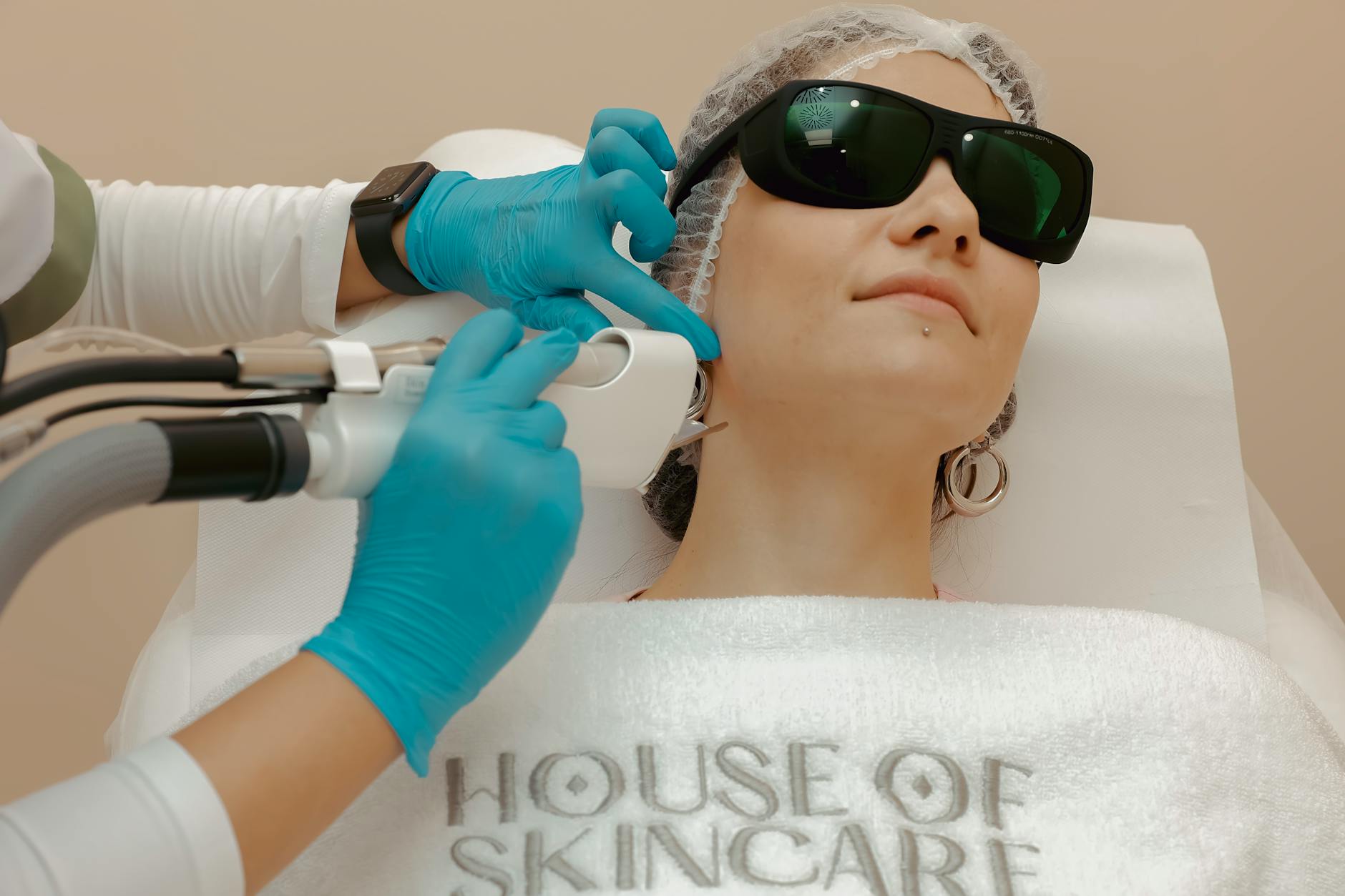
During the procedure, the area to be treated will be cleaned, and a topical anesthetic or local anesthetic may be used to minimize discomfort. For ablative lasers, a local anesthetic is usually required. The laser device will then be applied to the skin, delivering controlled pulses of light. The duration of the treatment depends on the size of the area being treated, typically ranging from 30 minutes to a couple of hours.
Post-Procedure Care
After the procedure, your skin will be red and may feel sensitive. Your doctor will provide specific post-treatment instructions, which may include using gentle skincare products, applying moisturizers, and avoiding sun exposure. It is crucial to follow these instructions to ensure proper healing and achieve optimal results.
Recovery Times and Side Effects
Recovery times vary dramatically depending on the type of laser used. This is a critical consideration when choosing between ablative and non-ablative options.
Ablative Laser Recovery
Ablative laser treatments typically involve a longer recovery period. You can expect:
- Redness and Swelling: Immediately after the procedure, you’ll experience significant redness and swelling. This can last for several weeks.
- Wound Care: The treated skin will form a crust, which will eventually peel off. You’ll need to follow specific wound care instructions provided by your doctor to prevent infection and promote healing.
- Downtime: You may need to take up to two weeks or more off work.
- Healing Time: Full healing can take several weeks to months.
Non-Ablative Laser Recovery
Non-ablative lasers offer a significantly shorter recovery period:
- Redness and Swelling: Mild redness and swelling are common, but these typically subside within a few days.
- Minimal Downtime: You can usually resume your normal activities within a few days.
- Gradual Improvement: You’ll see gradual improvements in your skin over several weeks as collagen production increases.
Common Side Effects
Regardless of the laser type, some potential side effects may include:
- Redness and Swelling: These are common and usually temporary.
- Hyperpigmentation or Hypopigmentation: Changes in skin pigmentation can occur, but these usually fade over time.
- Infection: Careful post-treatment care is essential to prevent infection.
- Scarring: Though rare, scarring is a potential risk.
Conclusion
Laser skin resurfacing offers a powerful solution for rejuvenating your skin and addressing various concerns, from wrinkles and scars to sun damage and uneven texture. By understanding the different types of lasers, the procedures involved, and the recovery process, you can make an informed decision and embark on your journey to a more youthful and radiant complexion. Consider consulting with a board-certified dermatologist or cosmetic surgeon to discuss your unique skin needs and explore the best laser resurfacing options for you.
Are you ready to discover the potential of laser skin resurfacing and achieve the healthy, glowing skin you’ve always desired? Take the first step and book your consultation today!
Frequently Asked Questions
Is laser skin resurfacing painful?
The level of discomfort varies depending on the type of laser and the area being treated. Topical or local anesthetics are typically used to minimize pain, especially with ablative lasers.
How long do the results of laser skin resurfacing last?
The results can last for several years, but the aging process continues. Maintaining a healthy skincare routine and protecting your skin from sun damage can help prolong the results.
What are the risks of laser skin resurfacing?
Risks include infection, scarring, changes in skin pigmentation (hyperpigmentation or hypopigmentation), and prolonged redness. Discuss the potential risks with your doctor before treatment.
Who is a good candidate for laser skin resurfacing?
Good candidates typically have realistic expectations and specific skin concerns such as wrinkles, scars, or sun damage. A consultation with a dermatologist or cosmetic surgeon is necessary to determine if you are a suitable candidate.
How much does laser skin resurfacing cost?
The cost varies depending on the type of laser, the size of the area being treated, and the location of the practice. Costs can range from a few hundred to several thousand dollars.