
Crafting Your Ideal Skincare Routine: A Personalized Guide
Are you feeling overwhelmed by the endless options in the skincare aisle? With so many products promising different results, it’s easy to get lost in the noise! But building a skincare routine doesn’t have to be complicated. In fact, the most effective routines are the ones that are specifically tailored to your age, skin type, and concerns. This personalized approach is the key to achieving healthy, radiant skin that you’ll love.
This comprehensive guide will walk you through the process of creating a skincare routine that works for *you*. We’ll cover everything from understanding your skin to choosing the right products and establishing consistent habits. Get ready to ditch the guesswork and embrace a skincare regimen that delivers real results. Let’s unlock your best skin yet!
1. Understanding Your Skin: The Foundation of a Great Routine
Before you even think about products, it’s crucial to understand your skin. Knowing your skin type is the cornerstone of any effective skincare routine. This will determine which ingredients and formulations will be most beneficial.
Identifying Your Skin Type:
- Normal Skin: Balanced, not too oily or dry. Often feels comfortable with minimal care.
- Dry Skin: Feels tight, sometimes flaky, and lacks moisture.
- Oily Skin: Noticeable shine, prone to breakouts and enlarged pores.
- Combination Skin: Oily in the T-zone (forehead, nose, chin) and dry on the cheeks.
- Sensitive Skin: Prone to redness, irritation, and reactivity to certain products.
Beyond skin type, consider your specific skin concerns. Are you dealing with acne, fine lines, hyperpigmentation, or redness? These concerns will guide the specific products you incorporate into your routine.
2. Age-Appropriate Skincare: What Changes as We Grow?
Our skin’s needs evolve as we age. What worked in your twenties might not be sufficient in your forties. Adapting your routine to address age-related changes is essential for maintaining a youthful, healthy complexion.
Skincare in Your 20s:
Focus on prevention and maintenance. At this age, the skin is generally resilient. Concentrate on:
- Cleansing: Gentle cleansers to remove impurities.
- Sunscreen: Daily application is paramount to prevent premature aging and sun damage.
- Antioxidants: Serums containing Vitamin C help protect against environmental aggressors.
- Hydration: Moisturizers to maintain skin barrier function.
Skincare in Your 30s:
Address early signs of aging. Incorporate:
- Retinoids: To boost collagen production, reduce fine lines, and improve skin texture (use with caution and consult a dermatologist.)
- Hyaluronic Acid: For intense hydration.
- Targeted Serums: For concerns like hyperpigmentation and uneven skin tone.
Skincare in Your 40s and Beyond:
Focus on repairing and rejuvenating. Consider:
- More potent retinoids or retinol alternatives. Always consult with a dermatologist.
- Rich moisturizers: To combat dryness and promote skin elasticity.
- Peptides: To stimulate collagen production.
- Facial oils: To add moisture and a healthy glow.
3. Building Your Basic Skincare Routine: The Core Steps
Regardless of your age or skin type, a basic skincare routine typically consists of the following steps. Remember to introduce new products one at a time to monitor your skin’s reaction.
- Cleanser: Start with a cleanser suited to your skin type. Use it morning and night to remove dirt, oil, and makeup.
- Toner (Optional): A toner can balance the skin’s pH. If you use one, apply it after cleansing.
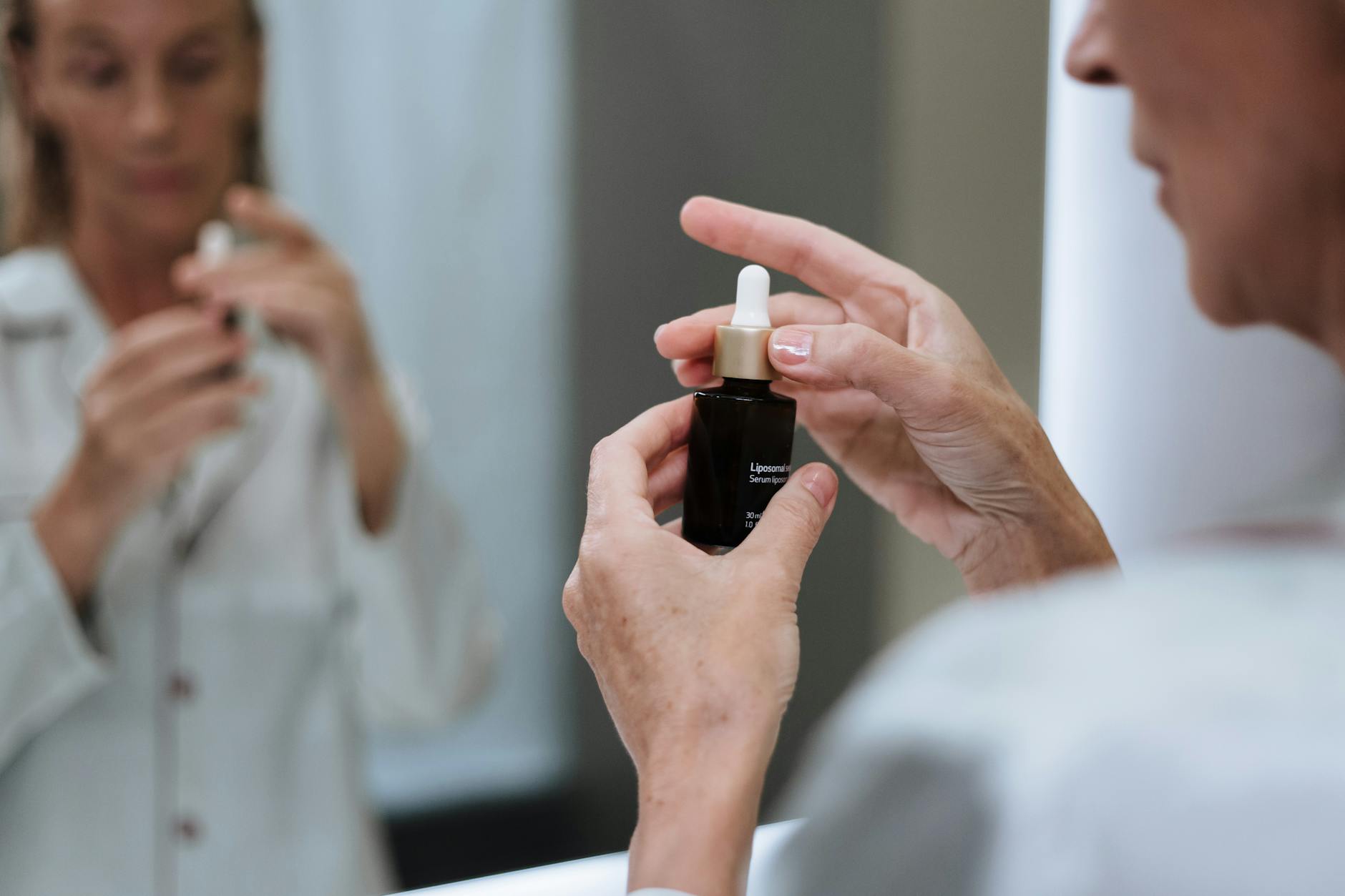
- Serum: Serums are potent, concentrated formulas that target specific concerns. Apply after the toner (if using) and before your moisturizer.
- Moisturizer: Essential for hydration and protecting the skin barrier. Choose a formula suitable for your skin type. Apply morning and night.
- Sunscreen (Daytime only): The most important step! Apply generously every morning, even on cloudy days. Reapply throughout the day if you are exposed to the sun.
4. Customizing Your Routine Based on Skin Concerns
Once you have a basic routine established, you can customize it further to address specific skin concerns.
For Acne-Prone Skin:
- Use a cleanser with salicylic acid or benzoyl peroxide.
- Incorporate a lightweight, oil-free moisturizer.
- Consider a spot treatment with benzoyl peroxide or salicylic acid.
For Dry Skin:
- Opt for a gentle, hydrating cleanser.
- Use a rich moisturizer containing ceramides and Hyaluronic Acid.
- Apply a facial oil to lock in moisture.
For Anti-Aging:
- Use products containing retinoids, peptides, and antioxidants.
- Incorporate a weekly exfoliation.
- Invest in a quality eye cream.
For Hyperpigmentation:
- Use a sunscreen with a high SPF and broad-spectrum protection.
- Look for products containing vitamin C, niacinamide, and hydroquinone (consult a dermatologist).
5. Consistency and Patience: The Keys to Success
Building an effective skincare routine is a journey, not a destination. Consistency is key! Results take time, so be patient and avoid the temptation to switch products frequently.
Building Healthy Habits:
- Establish a Consistent Schedule: Make your skincare routine a non-negotiable part of your daily life.
- Track Your Progress: Keep track of your routine and how your skin responds to different products.
- Listen to Your Skin: Pay attention to any changes or reactions and adjust your routine accordingly.
Conclusion: Embrace Your Best Skin!
Creating a personalized skincare routine can seem daunting, but with the right knowledge and a little experimentation, you can achieve amazing results. By understanding your skin, choosing appropriate products, and staying consistent, you’ll be well on your way to healthy, glowing skin that you’ll be proud to show off. Ready to reveal your best skin? Start building your routine today!
Frequently Asked Questions (FAQ)
What is the order of applying skincare products?
Generally, you should apply products in order of consistency, starting with the thinnest (cleansers, toners, serums) and ending with the thickest (moisturizers, oils, sunscreen).
How often should I exfoliate?
Exfoliation frequency varies depending on your skin type and the type of exfoliant. Generally, 1-3 times per week is a good starting point. Over-exfoliating can damage your skin barrier.
When should I start using anti-aging products?
While there’s no set age, many people start incorporating anti-aging products (like retinol) in their late 20s or early 30s as a preventative measure. However, it’s never too late to start!
How long does it take to see results from a new skincare routine?
It can take anywhere from a few weeks to a few months to see noticeable results from a new skincare routine. Be patient and give your skin time to adjust.
Is it necessary to use a different routine for day and night?
Yes. Your daytime routine should focus on protection (sunscreen) and your nighttime routine can focus on repair and rejuvenation (retinoids, moisturizers).