
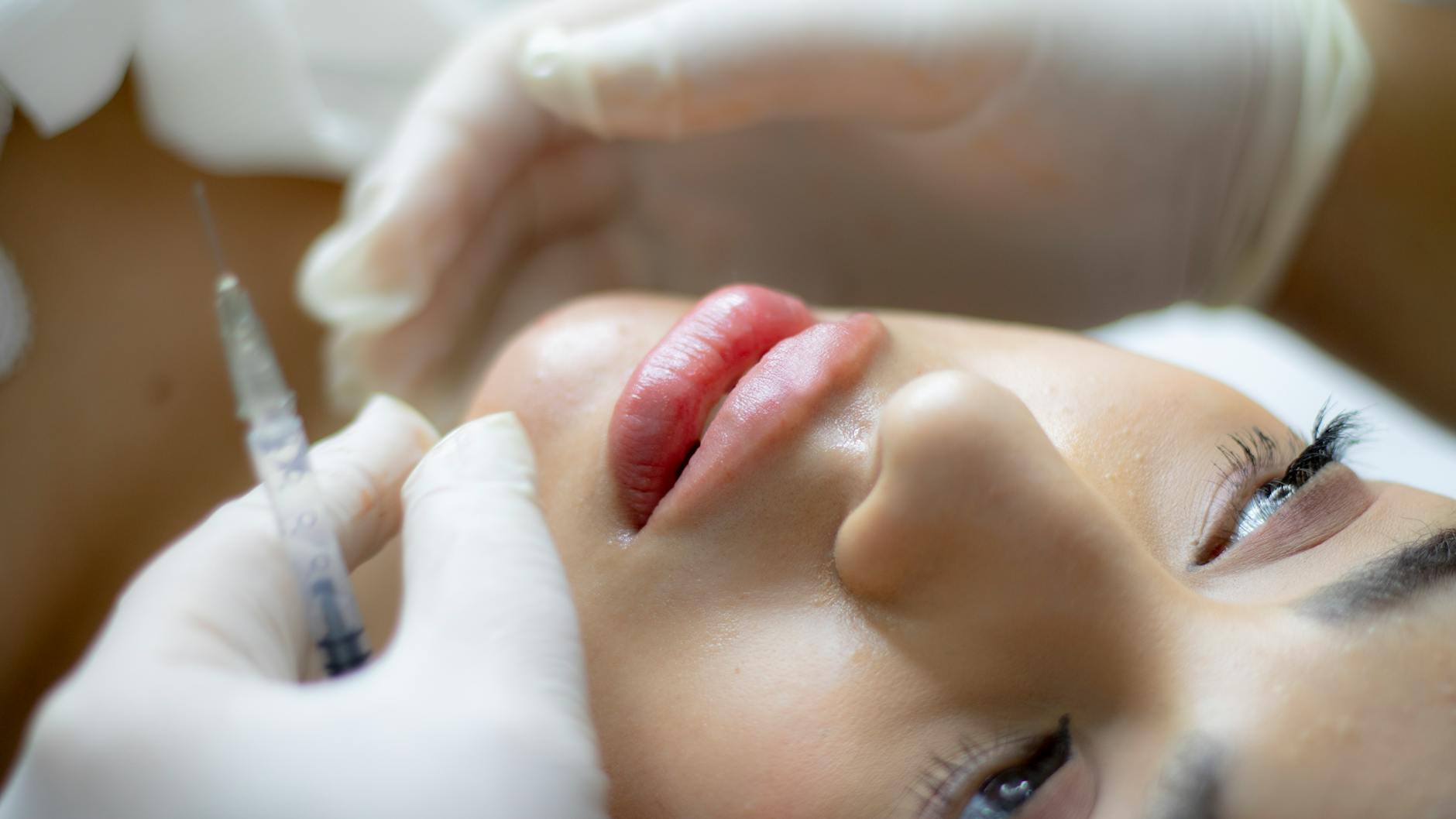
How Long Do Lip Fillers Last? A Realistic Timeline & Maintenance Tips
Plump, luscious lips have become a beauty standard, and lip fillers are a popular way to achieve this look. But before you take the plunge, one of the most common questions is: “How long do lip fillers last?” The answer isn’t a simple one-size-fits-all, as several factors influence the longevity of your lip enhancement. This guide will delve into a realistic timeline for lip filler duration, explore the variables at play, and offer valuable tips for maintaining your pout.
From initial swelling to the gradual absorption of the filler, understanding the process is key to managing expectations. We’ll break down the different types of fillers, their anticipated lifespans, and how your lifestyle and individual metabolism can affect the results. This article is your comprehensive resource, helping you make informed decisions about lip fillers and achieve the beautiful, natural-looking results you desire.
Ready to unlock the secrets to longer-lasting lip fillers? Let’s dive in!
What Type of Lip Filler Do You Have? The Filler Matters!
The type of lip filler used is the primary factor determining its lifespan. The most common type is Hyaluronic Acid (HA) fillers, which are temporary and reversible. HA fillers are favored for their safety and ability to be dissolved with an enzyme called hyaluronidase. However, other types of fillers exist, though they are less common and often carry higher risks.
Hyaluronic Acid (HA) Fillers: The Popular Choice
HA fillers are the workhorse of lip augmentation. They are naturally occurring in the body, which minimizes the risk of allergic reactions. Brand names like Juvederm® and Restylane® are household names in the beauty industry. The typical lifespan of HA fillers in the lips ranges from 6 to 12 months, but it can vary.
Within the HA category, different formulations exist with varying densities. Denser fillers tend to last longer. Your injector will assess your needs and recommend The Best product for you.
Less Common Fillers & Considerations
While HA fillers are dominant, other options are available, though they are generally less recommended. These include fillers containing substances like calcium hydroxylapatite (Radiesse®) or even permanent fillers. These fillers carry a higher risk of complications and are often not reversible. It’s crucial to thoroughly research any non-HA fillers and discuss their pros and cons with a qualified injector.
The Average Timeline: What to Expect Post-Injection
Understanding the stages of lip filler absorption helps you anticipate the changes. Here’s a general timeline, but remember that individual results vary.
Immediate Post-Injection (Days 1-7)
Expect some swelling, redness, and possibly bruising. This is perfectly normal. Your injector will provide aftercare instructions, including avoiding strenuous exercise and excessive sun exposure. Ice packs can help reduce swelling.
The First Few Weeks (Weeks 2-4)
The initial swelling subsides, revealing the initial results. Your lips will appear fuller, but the filler is still settling. You’ll have a better sense of the final shape and volume. During this period, avoid putting pressure on your lips.
Maintenance Phase (Months 2-6)
The lips should look pretty optimal during this period. Your lips will start to soften somewhat during this time. At this moment, you can plan for top-ups to maintain the desired volume.
Gradual Absorption (Months 6-12+)
The HA filler begins to break down gradually. You might notice a decrease in fullness over time. However, some studies claim over time filler can start to encourage your body to produce more collages in your lips over time which may lead to longer results.
Factors Influencing Lip Filler Longevity
Numerous factors impact How Long your lip fillers will last:
Your Metabolism
A faster metabolism can break down the filler more quickly. Lifestyle factors, such as smoking, exercise, and sun exposure, can speed up this process as well.
The Filler Brand and Formula
As mentioned, different brands and formulations of HA fillers offer different densities and viscosities. Denser formulas tend to last longer.
Injection Technique and Placement
Experienced injectors use precise techniques to ensure optimal filler placement, which can impact longevity. Deeper placement of the filler may help it last slightly longer.
Your Lifestyle
Smoking, excessive alcohol consumption, and UV exposure can all contribute to faster filler breakdown. Maintain a healthy lifestyle for optimal results.
Body Composition
The natural elasticity of your skin and your body’s collagen production levels can influence how the filler interacts with your tissue.
Tips for Maintaining Your Lip Filler Results
You can take several steps to extend the lifespan of your lip fillers and keep your pout looking its best.
Choose a Qualified and Experienced Injector
This is crucial! A skilled injector uses the correct technique, resulting in a more natural look and potentially longer-lasting results.
Follow Aftercare Instructions
Adhere to your injector’s post-treatment guidelines, which often include avoiding strenuous exercise, excessive sun exposure, and picking or rubbing your lips.
Hydrate and Eat a Healthy Diet
Proper hydration and a balanced diet support healthy skin, potentially aiding in better filler retention.
Consider Regular Maintenance
Most people require touch-up injections every 6-12 months. Schedule regular consultations with your injector to discuss maintenance injections.
Protect Your Lips
Use a lip balm with SPF to protect your lips from sun damage.
Conclusion: Embrace Your Luscious Lips
Lip fillers offer a fantastic way to enhance your lips and boost your self-confidence. By understanding the factors that influence their longevity and following our maintenance tips, you can enjoy fuller, beautifully shaped lips. Remember to consult with a qualified injector to discuss your goals and create a personalized treatment plan.
Ready to get started? Contact a certified injector near you to book a consultation and learn more about lip fillers and achieve your perfect pout!
FAQ: Your Lip Filler Questions Answered
How often should I get lip filler?
Generally, you can expect to need maintenance injections every 6-12 months. However, this varies based on the filler type, your metabolism, and your individual goals.
Can lip fillers be reversed?
Yes. Hyaluronic acid (HA) fillers can be dissolved with an enzyme called hyaluronidase. This process can be done at any time to remove or reduce the filler.
Will lip fillers damage my lips in the long run?
When performed by a qualified professional using FDA-approved fillers, lip injections are generally safe. Risks include bruising, swelling, and, on rare occasions, more serious complications. Long-term damage is unlikely with HA fillers.
Are lip fillers painful?
Most lip fillers contain lidocaine, a local anesthetic, to minimize discomfort. In most instances, the discomfort is very tolerable. Your injector may also apply a topical numbing cream before the procedure.