
Voici le contenu HTML pour l’article de blog :
Congratulations on your liposuction procedure! Undergoing liposuction is a significant step towards achieving the body you desire. However, the journey doesn’t end with the surgery. Achieving the best possible results from liposuction often requires a comprehensive approach that extends beyond the operating room. This involves diligent post-operative care and a commitment to body contouring techniques that optimize your new physique.
This article will guide you through the essential steps to maximize your liposuction results. We’ll explore various body contouring strategies, from compression garments to lifestyle adjustments, that contribute to a smoother, sleeker, and more sculpted appearance. By understanding these techniques, you can ensure a successful recovery and enjoy the full benefits of your investment in yourself.
Let’s dive into how you can make sure your results are *truly* the best they can be!
Understanding the Importance of Post-Liposuction Care
Following liposuction, your body needs time to heal and adjust to its new shape. Proper post-operative care is crucial for reducing swelling, promoting optimal skin retraction, and preventing complications. Neglecting these steps can lead to undesirable outcomes, such as irregularities, fluid accumulation, and suboptimal aesthetic results. Consistent and dedicated care will allow your body to heal properly and reveal the contours you’ve worked to achieve.
The Role of Compression Garments
Compression garments are a cornerstone of post-liposuction care. These garments provide continuous pressure to the treated areas, minimizing swelling, supporting the tissues, and promoting skin retraction. They also help to shape the body and reduce the risk of fluid retention. Wearing the garment as prescribed by your surgeon is paramount; typically, you’ll be advised to wear it almost constantly for several weeks following surgery.
- Choose the right fit – comfortable but snug.
- Wear it consistently – ideally for the duration specified by your surgeon.
- Clean it regularly – follow the care instructions.
Managing Swelling and Bruising
Swelling and bruising are common after liposuction. To manage these, your surgeon might recommend several strategies. These can include elevation of the treated area, the application of ice packs (as directed), and, in some cases, medication to assist with inflammation. Keeping hydrated is also important for helping your body flush out toxins and speeding up the healing process.
Embracing a Healthy Lifestyle for Long-Term Results
Liposuction permanently removes fat cells in the treated areas. However, maintaining a healthy lifestyle is essential to prevent the accumulation of new fat cells in other areas of the body and to preserve your results long term. Diet and exercise are your allies here.
The Benefits of a Balanced Diet
A balanced diet is crucial for maintaining a healthy weight and overall wellness. Focus on consuming whole, unprocessed foods, including fruits, vegetables, lean proteins, and whole grains. Limit your intake of processed foods, sugary drinks, and excessive fats. Consult with a nutritionist to create a meal plan tailored to your needs and goals. Proper nutrition not only supports your overall health, allowing faster recovery, but also plays a key role in maintaining a healthy weight after liposuction.
Incorporating Regular Exercise
Regular exercise is essential for keeping the body toned and sculpted after liposuction. Aim for a combination of cardiovascular exercise and strength training. Cardiovascular activities, such as running, swimming, or cycling, help burn calories and improve overall fitness. Strength training helps build muscle mass, which can further enhance the body’s contours. Start slowly and gradually increase the intensity and duration of your workouts as you recover and your body permits.
Exploring Complementary Body Contouring Treatments
While liposuction itself is a powerful tool, certain complementary body contouring treatments can further enhance your results and address specific concerns. These treatments can help to improve skin elasticity, reduce cellulite, and sculpt problem areas.
Radiofrequency Treatments
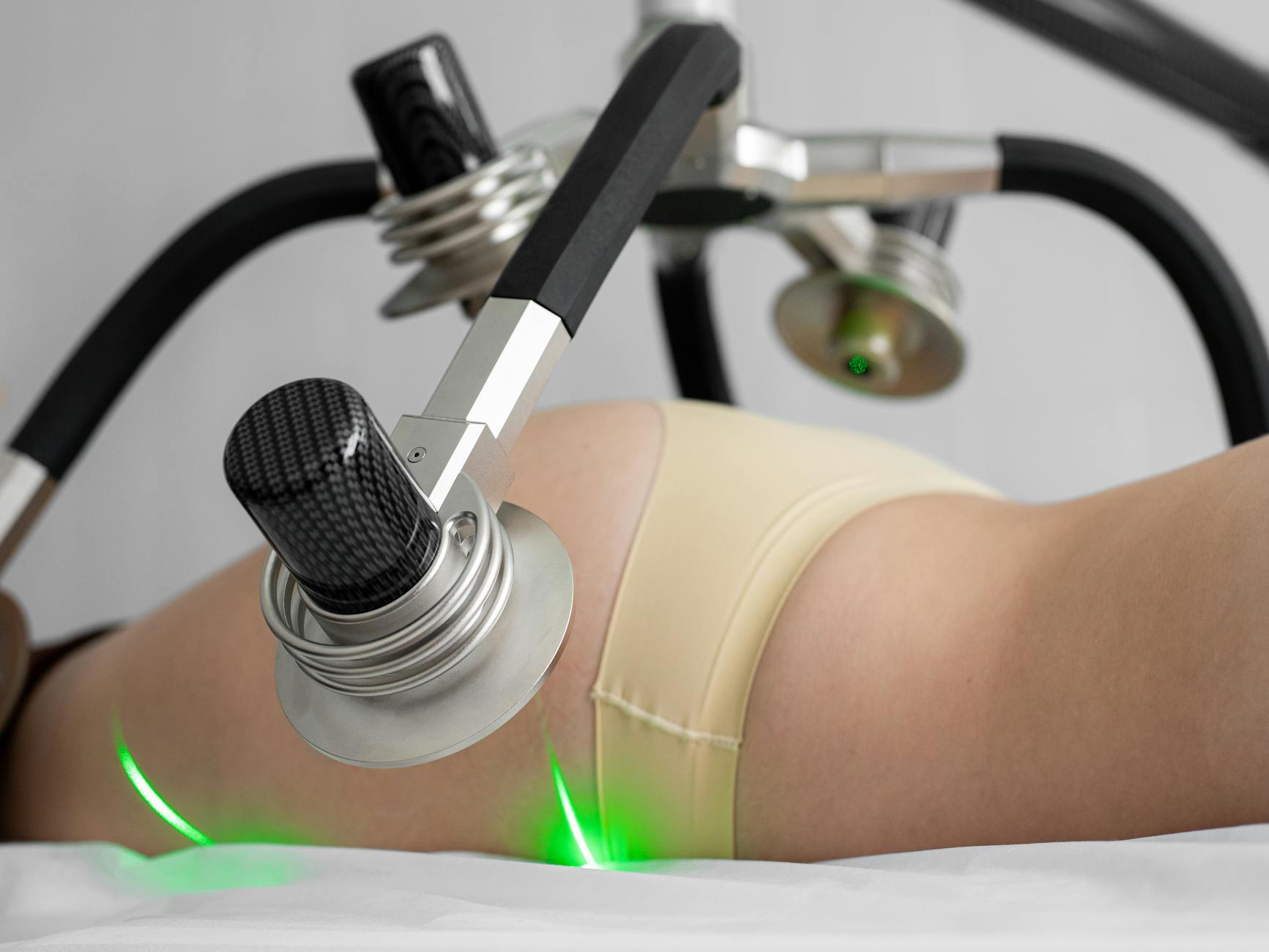
Radiofrequency treatments, such as those that use technologies like the Venus Legacy, can help tighten and firm the skin. These treatments work by delivering radiofrequency energy to the deeper layers of the skin, stimulating collagen production and improving skin elasticity. This is especially helpful if your skin has lost some elasticity after the fat removal.
Lymphatic Drainage Massage
Lymphatic drainage massage is a specialized massage technique that helps to reduce swelling and improve healing by stimulating the lymphatic system. It is particularly beneficial in the initial weeks following liposuction to facilitate the removal of excess fluids. This massage type can also reduce discomfort and speed up recovery.
Staying Patient and Consistent During Recovery
Recovery time from liposuction varies from person to person. It is important to be patient and allow your body the time it needs to heal. Avoid rushing the process or pushing yourself too hard, especially in the early stages. Follow your surgeon’s specific post-operative instructions carefully, and don’t hesitate to reach out with any questions or concerns.
Realistic Expectations
It’s important to have realistic expectations. The final results of liposuction may not be fully visible for several months, sometime up to a year as healing continues. You may see noticeable improvements within a few weeks, but complete skin retraction and contouring take time. Appreciating the process and remaining patient will help you avoid disappointment and increase long-term satisfaction.
Conclusion: Embrace Your New Shape With Confidence
Body contouring after liposuction is about more than just the surgical procedure itself. It’s a comprehensive process that requires dedication, patience, and a commitment to healthy habits. By following the guidance outlined in this article, you can optimize your results, accelerate healing, and maintain your beautiful new shape for years to come. Remember to consult your surgeon throughout the process, and listen to your body.
Ready to unlock your best body? Schedule a consultation with a qualified surgeon today to discuss your liposuction goals and personalized body contouring plan!
FAQ
What can I expect in the first week after liposuction?
In the first week, expect swelling, bruising, and discomfort. You’ll likely wear a compression garment and may have drainage tubes. Rest, follow your surgeon’s instructions closely, and keep moving as recommended to avoid blood clots.
When can I start exercising after liposuction?
You can usually start light exercise, such as walking, within a week or two, gradually increasing the intensity as you heal. Consult your surgeon for specific recommendations and when to resume more strenuous activities.
How long will it take to see the final results of my liposuction?
The majority of swelling subsides within a few months, and final results often become apparent within six months to a year, as your skin retracts and your body completely heals.
Are there any foods I should avoid after liposuction?
While no specific foods are forbidden, focus on a healthy, balanced diet rich in protein, fiber, and healthy fats. Avoid excessive salt and sugar to minimize swelling.